

What Is Vaginismus?
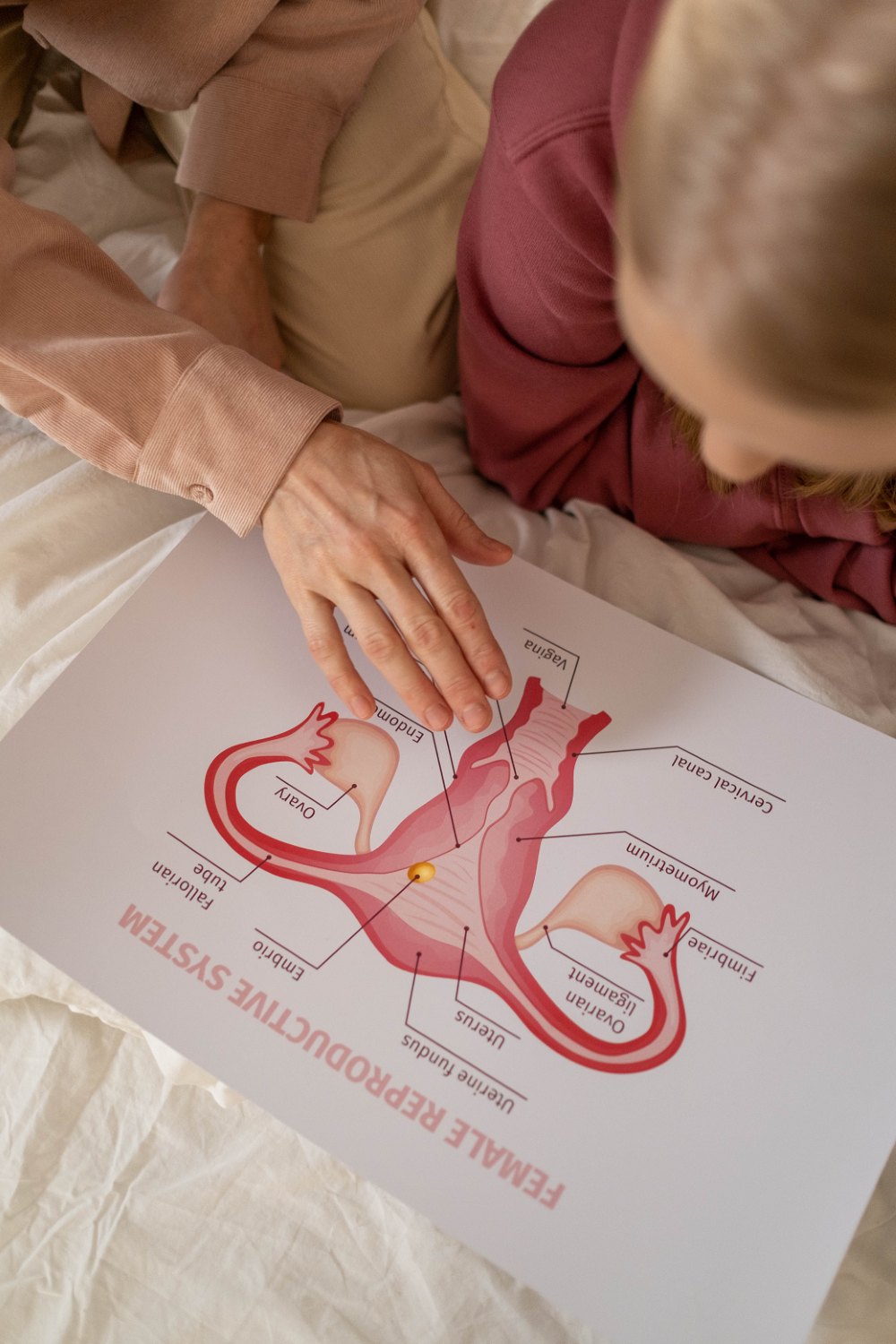
Vaginismus is a term that refers to tension and tightness of the vaginal muscles that prevent the insertion of any item—a finger, a menstrual item, a sexual aid, a penis, or even a pelvic examination tool. This experience can be extremely frustrating and painful, but the good news is that it is a treatable condition! To understand treatment, however, we must first understand how vaginismus works…
Vaginismus is a condition where the pelvic floor muscles are involuntarily contracted, or “overactive.” The pelvic floor muscles are what control your urinary, bowel, and sexual function. When these muscles experience dysfunction, such as being too tight, these functions are interrupted.
These tightened pelvic floor muscles cause problems when trying to insert anything into the vagina, causing pain that may be described as sharp, burning, or stinging. It can make sex impossible or even undesirable. Masturbation, pelvic exams, or the use of menstrual products may become very painful or impossible, too. Vaginismus can also cause other symptoms like tissue sensitivity, loss of sexual desire, or low body image.
Overactive pelvic floor muscles can cause symptoms that are related to the bladder or bowels, too. These overactive, tight muscles don’t just affect the vaginal canal, after all. Symptoms like constipation, urinary urgency, pelvic pain are common with pelvic floor tension.
It’s important to note that vaginismus is not just a physical issue. It can also cause emotional distress and frustration for the people who experience it, and may even affect their partners. This condition can significantly impact a person’s sexual health and body image, and may create an unhealthy association with insertion or their vagina in general. These psychological experiences can even worsen vaginismus, which we’ll discuss a bit more soon.
What Causes Vaginismus?
So, we understand that vaginismus is a condition created by tension and involuntary contractions of the pelvic floor. But what makes your pelvic floor get to this point? Pelvic floor tension can actually have many different causes. In terms of vaginismus, it can be created by a variety of psychological and physical factors.
Physical Factors
Physical factors that contribute to this pelvic floor tightness can vary widely. Those with chronic pelvic conditions, for example, are more prone to pelvic floor tension, as chronic conditions are often associated with pelvic pain. Endometriosis, interstitial cystitis, chronic infections, and other similar conditions create pelvic pain that may result in pain guarding.
Pain guarding is when you unintentionally tighten your muscles as a response to pain or the anticipation of pain. Not only does this contribute to pelvic floor tension for those with chronic conditions, but also happens as a result of vaginismus, creating a cycle of fear and involuntary tightening.
Things like surgery, injuries, or previous childbirth experiences can also cause tension in the pelvic floor. These factors often create scar tissue, which may become restrictive and limit pelvic floor mobility.
Hormonal changes can significantly contribute to vaginismus and pelvic floor tension, too. Menopause, for example, causes the vaginal tissues to become dry and less elastic, which can make penetration uncomfortable or painful. Combined with the effects of lowered arousal, menopause can impact a person’s comfort with insertion, and may contribute to the pain guarding mentioned previously.
There are many other physical causes of pelvic floor tension that can contribute to vaginismus. If you’d like to learn more, please visit the pelvic floor tension page.
Psychological Factors
Psychological factors play a large role in vaginismus and pelvic floor tension. Anxiety and stress, especially when anticipating pain during insertion, worsens pelvic floor tightness and can make the condition a long-term struggle if not addressed properly.
Fear or anxiety around insertion is not always caused by a fear of pain. Unfortunately, many people experience these feelings due to their religion, cultural beliefs, or past negative experiences involving sex or insertion. A history of abuse or trauma plays a major role in how you perceive yourself and your relationship with insertion.
Psychological factors such as these should never be ignored or brushed off. Mental and emotional health are both essential to creating a healthy connection with your body. Therefore, in addition to engaging in physical therapy to address physical causes of vaginismus, many individuals should consider psychological therapies, too.
Your physical therapist or primary doctor may be able to refer you to a mental health expert to help address any underlying emotional or psychological factors that may be contributing to your condition.
How Pelvic Floor Physical Therapy Can Help
While vaginismus can be very frustrating, the good news is that there are effective treatment options! Pelvic floor physical therapy is a safe, gentle, and effective way to reduce your pain with insertion and restore a healthy connection with your body.
Pelvic floor physical therapists such as myself are especially trained and experienced with all things relating to the pelvic floor! I’ve seen countless patients with a variety of pelvic floor dysfunctions, including vaginismus. By working with me, you’ll learn to release that pelvic floor tension, relax your muscles, be pain-free, and even have a better sex life.
While seeing a physical therapist for a condition like this may be intimidating, rest assured that I leave absolutely no room for judgement in my clinic. I want my patients to feel comfortable and safe, and work hard to motivate them towards their health goals!
I do my best to always work with my patient’s comfort level, too. I explain each and every treatment beforehand, and always request consent before any treatment or examination. You’re in control, and can always rescind consent at any time.
It’s important to remember that vaginismus is a common and treatable condition. You are not alone, and there is help available. There’s nothing wrong with you for experiencing vaginismus. It’s a physical condition that can be caused by a variety of factors, including past trauma, anxiety, and even certain medical conditions. You are not broken or damaged, and you deserve to enjoy a pain-free and fulfilling sex life!
So, what can treatment for this condition look like? For vaginismus, pelvic floor physical therapy looks to reduce tension and restore control in the pelvic floor. This can include treatments such as the following:
Manual Therapy
Manual therapy is a technique that manipulates muscles, nerves, tendons, and ligaments to reduce tension, improve range of motion, increase blood flow, and more. This treatment can be performed with just hands or specialized tools, such as pelvic wands, cups, scrapers, and more!
Depending on your needs, I may suggest the use of a pelvic wand at home, as this tool helps relieve tightness and trigger points found in the pelvic floor. I can also teach you a variety of exercises to support your at-home practice, such as stretching, breathing techniques, and relaxation techniques.
Neuromuscular Re-Education & Biofeedback
Part of what causes tension in the pelvic floor is having a lack of coordination. When the pelvic floor muscles are uncoordinated, they struggle to function as normal, often straining to allow for things like bowel movements, urination, and more. This straining builds up tension, making it even more difficult for the pelvic floor to function properly.
To encourage better control and coordination over your pelvic floor, I’ll utilize treatments like neuromuscular re-education and biofeedback. Although these sound complicated, they simply allow you to practice contracting and relaxing your pelvic floor, and allow you to better understand those movements with the help of auditory or visual feedback!
Having a better understanding and proper control over your pelvic floor will be very useful for those who struggle with pelvic floor tension. It will help you be able to actively relax your pelvic floor muscles as needed, which can be very useful for those who are trying to regain a good connection with their body during vaginismus treatment. The breathing techniques mentioned previously will also come in handy while relaxing your pelvic floor and reducing tension!
Strengthening
Having a strong pelvic floor is important, too. When the pelvic floor is too weak to perform its functions, it can result in straining, which only worsens dysfunction. In terms of sexual health, a weak pelvic floor can result in lowered sensation and difficulty reaching orgasm. To allow for healthy pelvic floor function, I can lead you through a variety of pelvic floor strengthening exercises and activities.
As part of your strengthening activities, I may focus on other areas too, such as your lower back, abdominals, and hips. The muscles in these areas can also become imbalanced, which can be another source of tension for the pelvic floor. Therefore, your overall care plan may include a variety of exercises catered to your body’s individual needs, current muscle tone, and fitness level!
Vaginal Dilation
A very important part of treatment for vaginismus is vaginal dilation. Vaginal dilation is the process of slowly and carefully inserting tools called dilators into the vagina to gently stretch the tissues and encourage desensitization. These tools come in a wide range of sizes and diameters, allowing you to take the journey slowly and comfortably—and most importantly, at your own pace! You’ll practice inserting these tools daily, usually in a comfortable, quiet space.
As you become completely comfortable with a dilator size, you’ll move up in sizes incrementally to slowly reach your goal size. This process not only stretches the vaginal tissues to reduce tension and allow better insertion, but also improves your association with touch. Practicing dilation can improve your relationship with your body and the process of insertion, which can significantly improve your vaginismus symptoms.
Vaginal dilation is just one part of a larger care plan to address vaginismus. This condition can unfortunately disrupt a lot of daily life experiences, but by working with a pelvic floor physical therapist like me, you can get back to a pain-free life and enjoy better pelvic floor function!
Get started today by booking an appointment! I accept patients of all ages and gender identities. If you have more questions, try exploring the discovery call option.