


The Difference Between Arousal Dysfunction & Desire Disorders
Sexual dysfunctions are a very common struggle regardless of what genitals you’re working with. Many people experience some sort of sexual dysfunction at some point during their life; but sometimes, these dysfunctions can be confusing.
One thing to understand about sexual dysfunctions is that they can be physical, psychological, or a combination of the two.
Even conditions that seem inherently physical—erectile dysfunction, vaginismus, painful sex, orgasm struggles, and more—often can be significantly affected by psychological factors. In fact, sexual dysfunctions are often caused by a combination of factors, and aren’t always so straightforward as just “physical” or “psychological.”
So why and when does it matter to differentiate the two? Well, in some cases it can be helpful to understand both the different physical and psychological causes of sexual dysfunctions in order to better understand what treatment options will be most suitable.
For example, two commonly confused conditions are arousal dysfunction and desire disorders. While very similar, these two conditions have different root causes and therefore have different treatment possibilities.
In this blog, we’re going to explore the differences between these two conditions and the treatment options for each!
As a pelvic floor physical therapist, I see many patients struggling with conditions like arousal dysfunctions and desire disorders. However, pelvic floor physical therapy typically focuses on physical treatment, and these conditions can often require psychological treatments or therapies.
I am always ready to collaborate with other providers in order to provide a holistic treatment experience, but it can be very helpful to better understand your own symptoms, condition, and what treatments are best for you!
With that being said, let’s explore these two conditions and what makes them different (and similar)…
Desire vs the Arousal Response
To start, let’s define each condition, and then we’ll explore their differences and individual treatment options afterwards!
Arousal Dysfunction
Sexual arousal is a combination of both mental excitement and physical responses. Therefore, the term “arousal dysfunction” is often used to refer to a lack of a mental response to sexual activity, a lack of physical sexual arousal, or a combination of the two. Physical sexual arousal refers to bodily reactions such as lubrication, swelling, erection, increased blood flow, etc.
This condition can vary in terms of its symptoms and effects. For example, even when an individual mentally has interest or desire for sexual activity, physical arousal may be difficult to maintain or start at all, even with sufficient stimulation. In this case, pelvic floor physical therapy may be able to help. We’ll talk about that more later!
In terms of a mental response, individuals may experience physical arousal, but may not have excitement, interest, or pleasure during sexual activity.
They may experience erection, swelling, lubrication, and other physical responses, but not actually enjoy the sexual activity due to a variety of physical and psychological factors. This type of arousal dysfunction is very similar to and often confused with desire disorders, which we’ll look at next.
Desire Disorders
Desire disorders are characterized by a lack of interest or desire that would make someone interested in starting sexual activity; also known as having little to no libido. Libido can differ naturally from person to person, and can even fluctuate for a variety of reasons—but for some, having very low libido can be distressing.
Some individuals may want to have higher libido and desire, but do not respond to intimacy and may lack pleasure or interest during sexual activity. Sexual activity may not even be considered by a person with a desire disorder, and so this disorder can strain relationships and can be upsetting.

As you can see, arousal dysfunctions and desire disorders are very similar and are even used interchangeably sometimes. However, they have distinct differences that will require different treatment approaches.
Pelvic floor physical therapy is a treatment option that is best suited to physical arousal dysfunctions. While physical therapy can help improve your connection with your body, a more comprehensive treatment experience with sex therapists or mental health specialists may be necessary for some individuals with desire disorders or mental arousal difficulties.
It’s important to note that struggling on occasion with arousal or desire does not necessarily mean you have a dysfunction or disorder. Sometimes, your body and mind may not always match up when it comes to sexual arousal.
That’s normal, as everyone has different needs when it comes to arousal. However, when these struggles become too frequent or distressing, seeking treatment may be helpful or necessary.
Treatment for Arousal Dysfunctions & Desire Disorders
Treatment for these conditions can vary based on their causes. Let’s explore some possible causes for arousal dysfunctions and desire disorders below, and the treatments best suited for each!
Causes of Arousal Dysfunction
As mentioned before, arousal dysfunctions can be caused by a mix of both psychological and physical factors. Psychological effects such as anxiety, depression, low body image, or stress can significantly impact your ability to become aroused.
Some individuals may have cultural or religious beliefs that can negatively impact their relationship with sexuality and arousal. Past traumatic encounters with sex and similar activities can make arousal very difficult as well.
All of these psychological factors can benefit best from mental health professionals and therapies. Pelvic floor physical therapy is more suited for addressing the physical causes of arousal dysfunction, which we’ll discuss next.
Pelvic floor physical therapy is best for individuals who have a desire for sexual activities, but cannot become physically aroused even with stimulation. This can happen for a variety of reasons, as physical arousal involves many different parts of the body.
To allow for lubrication, erection, swelling, increased blood flow, and more, the body uses its nerves, blood vessels, muscles, and more.
The body releases hormones that start the arousal process, the nerves signal responses like increased blood flow, and the muscles help maintain that blood flow for erection. The muscles also help allow for orgasms, thanks to a series of contractions and relaxations.
Much of these processes involve the pelvis, and more specifically, the pelvic floor. The pelvic floor is a group of muscles found in your pelvis that allow you to use the restroom and enjoy sexual activity. These muscles play a massive role in sexual sensation, pleasure, and function—no matter the genitals you were born with.
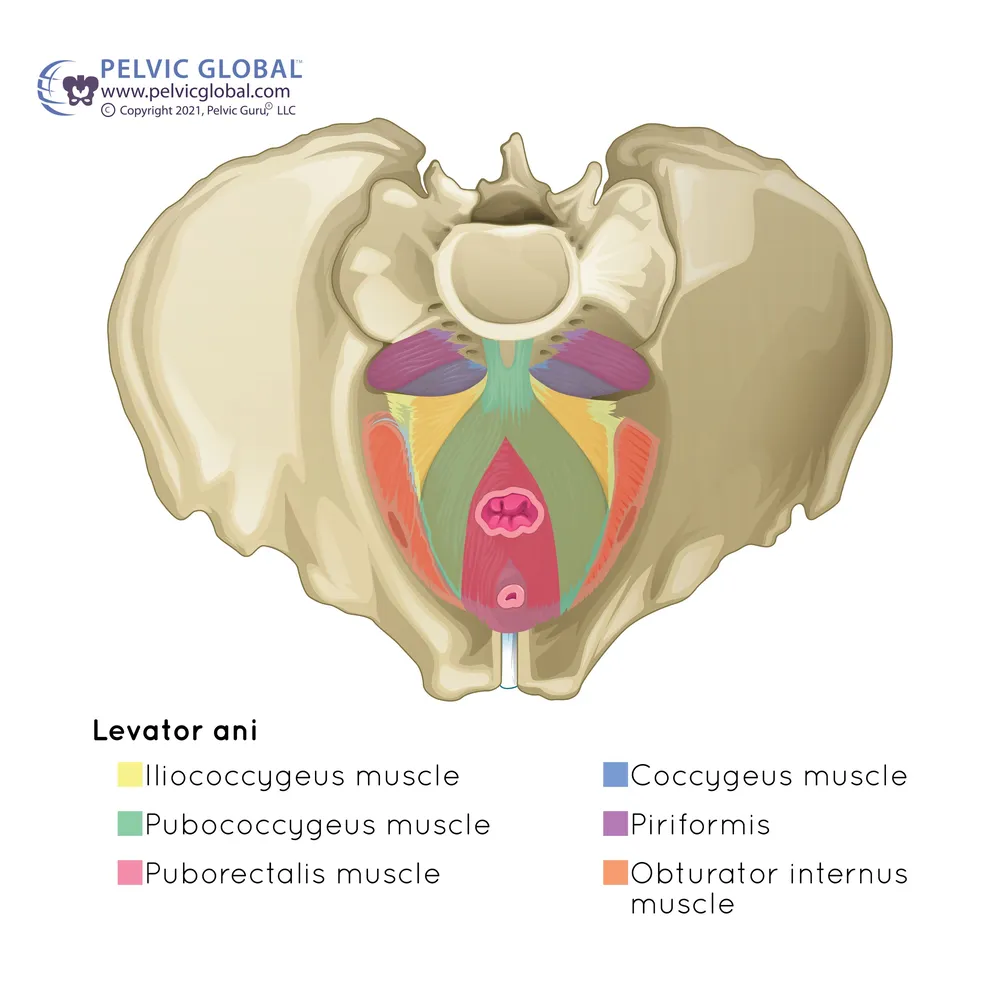
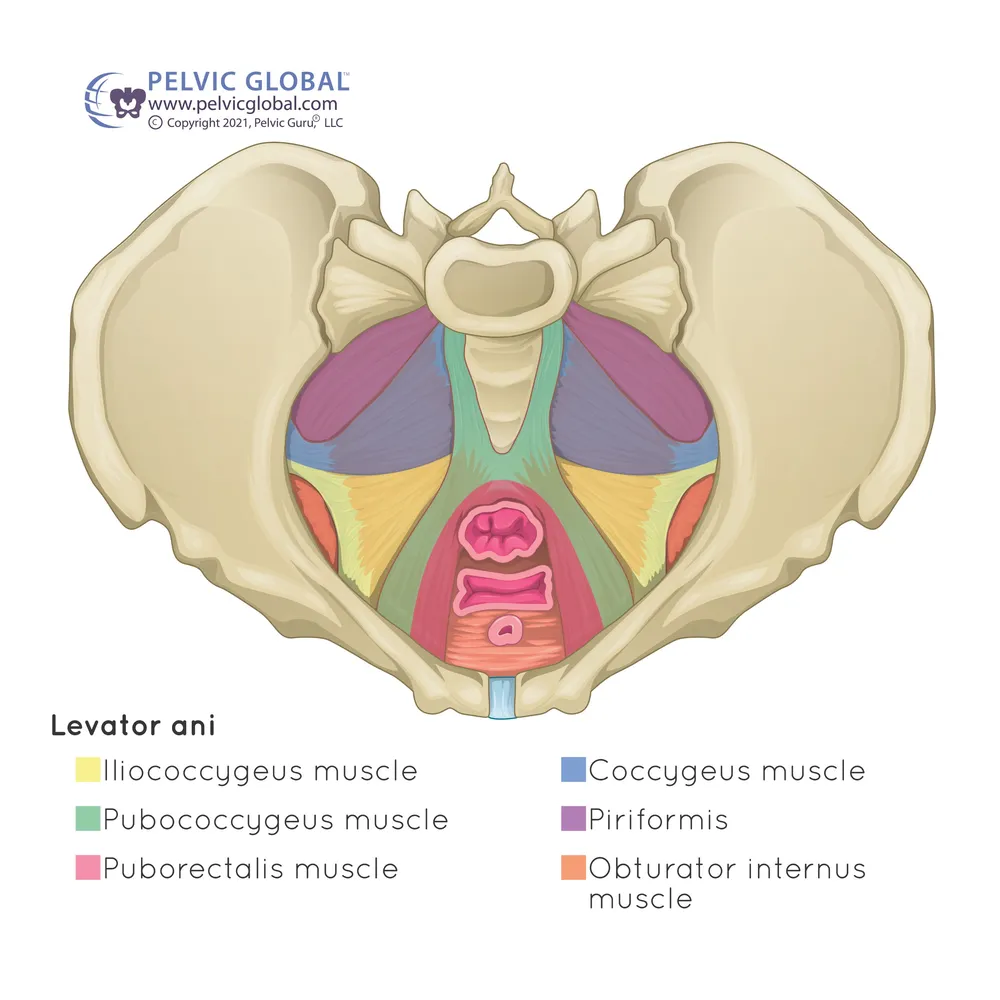
Pelvic floor illustrations for AMAB (left) and AFAB (right). Images used with permission from Pelvic Guru®, LLC as a Pelvic Global Member.
However, many individuals struggle with pelvic floor dysfunction, which is a condition where the pelvic floor is too tight, weak, or uncoordinated.
When pelvic floor dysfunction is present, the body may experience a wide variety of sexual dysfunctions, including a lack of physical arousal. In cases like this, pelvic floor physical therapy can significantly improve your symptoms of arousal dysfunction. If you’d like to learn more, check out this blog dedicated to arousal dysfunction!
Causes of Desire Disorders
Desire disorders and low libido take a very different treatment approach, as the causes are often psychological. The psychological factors mentioned earlier—anxiety, depression, low body image, stress, cultural or religious influences, and trauma—can all impact desire, too.
In other cases, problems within the relationship (in regards to partnered sex) can cause low desire, too. A lack of communication about pleasure or desire, strain in the relationship, or the presence of other sexual dysfunctions can impact desire.
For these types of causes, counseling, therapy, stress management, and other similar treatments may be necessary. A comprehensive approach with sex therapists, psychologists, and even couple’s therapists may be necessary, as many different psychological factors can affect sexual desire.
If desire is impacted by other sexual dysfunctions such as erectile dysfunction or vaginismus, physical therapy can definitely play a role in treatment.
One physical aspect of desire that may be addressed during treatment is hormones. Hormones have a major impact on desire and libido, and so part of your treatment may involve hormone regulation strategies and medications.
Physical therapy is not typically the first line of treatment considered for desire disorders caused by hormonal imbalances, but may provide support by improving your physical health as a part of hormone regulation.
Physical therapists are experts of the musculoskeletal body, and can help create a workout routine that best suits you. If your provider suspects your physical health may be negatively affecting your hormonal health, you may benefit from engaging in physical therapy to improve your physical form alongside other lifestyle changes to diet, sleep, and stress.
See If Physical Therapy Is Right For You!
Desire and arousal can be complex topics. Each and every person has different external and internal stressors that can impact their interest in sex and their ability to become aroused. Additionally, desire and arousal naturally differs from person to person.
However, if you consistently struggle with either of these aspects and experience significant distress from them, don’t hesitate to start treatment.
Treatment for either of these conditions often requires a very comprehensive, multi-dimensional approach in order to cover all bases and truly create a holistic treatment experience. While seeking treatment for conditions like these may seem embarrassing, there is no reason to be ashamed!
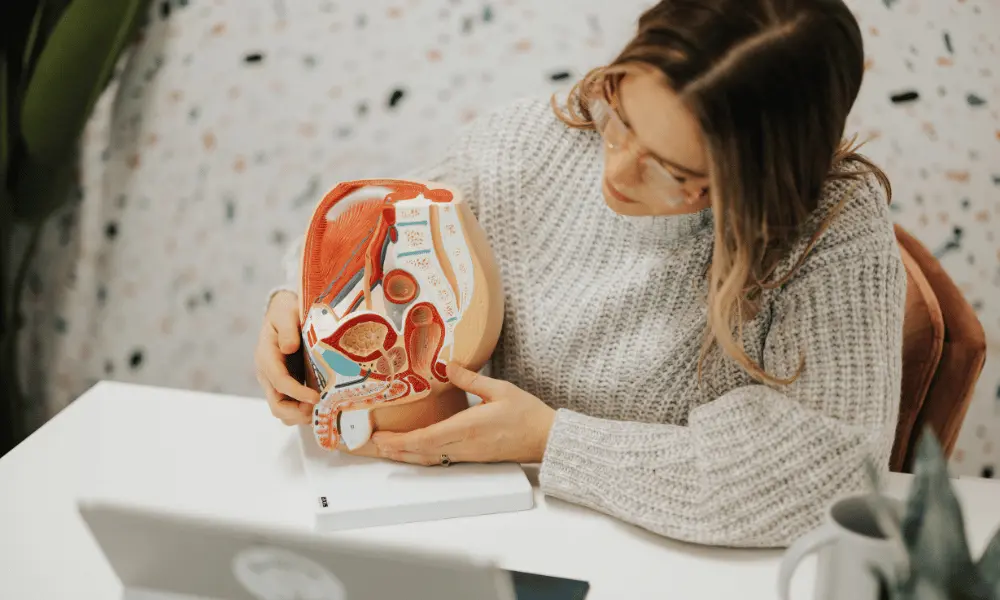
Sexual health is a normal need and part of life. While working with me, you can rest assured that the physical therapy treatment experience is shame-free! Instead, I’ll be your biggest motivator in regaining your sex life and comfort.
Additionally, I work with every patient’s individual needs and comfort level. I always request consent before every treatment or examination, and you are always in control—meaning you can rescind consent at any time.
I offer pelvic floor physical therapy to patients of all ages and gender identities! You can book an appointment for either an in-person session or virtual session. Or, if you still have other questions about appointments or treatments, check out the discovery call!