


Rectal dilation is a fantastic method of pelvic floor treatment that is applicable to all body types, regardless of the genitals you are born with or your age. It allows you to target tight muscles of the pelvic floor and other related areas in order to relieve a wide variety of uncomfortable symptoms.
Whether you are having difficulty with bowel movements, experiencing painful muscle spasms, struggling with anal stenosis, or simply want more comfort during sexual activity, rectal dilation can help with all of those symptoms and much, much more!
The rectum, anus, and pelvic floor (which we’ll discuss more later), are gently stretched with special tools called dilators. These tools are suitable for dilation thanks to their tapered ends, flared bases, and even separate handles for ease of use.
By carefully inserting these tools multiple times per week or per day, you’ll be able to relax your tightened muscles and find significant relief after some time.
Your Rectum Matters Too!
Rectal dilation—along with basically any other form of treatment involving this area—often has a negative stigma surrounding it. However, there’s nothing embarrassing about seeking better health, regardless of whether it is related to smoother bowel movements, less pain, nerve complications, or sexual health.
The rectum and anus are both parts of your body, and you use them every day. It’s normal for each and every person, so don’t avoid treatment out of embarrassment!
With that being said, what exactly is the rectum? The rectum is the end portion of your large intestine that is located just before the anus. By the time food has reached your rectum, it has become digested waste. The rectum absorbs water from this waste, and holds it until it is time for you to make a bowel movement.
The anus and rectum are connected, as you likely know already. The anal canal is only a few centimeters long, and so both of these areas are affected by the process of rectal dilation. Due to this, the terms “rectal dilation” and “anal dilation” are sometimes used interchangeably.
The point is, everyone needs a healthy, functioning body—so no matter what you refer to it as, rectal dilation can be a very useful form of treatment!
What Is Rectal Dilation Like?
Rectal dilation is a process that takes time, patience, and practice. You’ll start with the smallest dilator size available to you, practice with it every week, and slowly move up in size once you become completely comfortable with your starting size.
You’ll continue this process until you reach your goal, which can vary from person to person. The time it takes to see a reduction in your symptoms can depend on what it is you’re treating, your starting point, and your consistency with dilation.
The anus and surrounding tissues can be fragile and sensitive, so it is essential that you take things slowly and carefully. You should never switch to larger dilator sizes before you’re ready, as you can cause injury to your tissues.
Be sure to use plenty of lubricant, too. Keep in mind that dilators made of silicone should only be paired with water-based lubricant, as silicone based-lubricants will deteriorate silicone dilators.
When dilating rectally, you may feel some resistance. It’s normal for the process to feel new or even a little strange, but it should not cause significant pain. Unbearable pain is a sign that you are dilating incorrectly.
The safest and most effective way to engage in rectal dilation is with a professional’s guidance! If you’d like to start with a consultation to see if rectal dilation could be a good fit for you, make an appointment with me. I offer services to individuals of all gender identities and ages, so don’t hesitate to reach out.
About Rectal Dilators
If you’ve ever heard of dilation before, you may already know what vaginal dilators look like—rectal dilators are pretty similar, but usually lava lamp shaped. They are sometimes called anal trainers, too. The most common material for rectal dilators is silicone, which is why I highlighted the need for a water-based lubricant earlier!
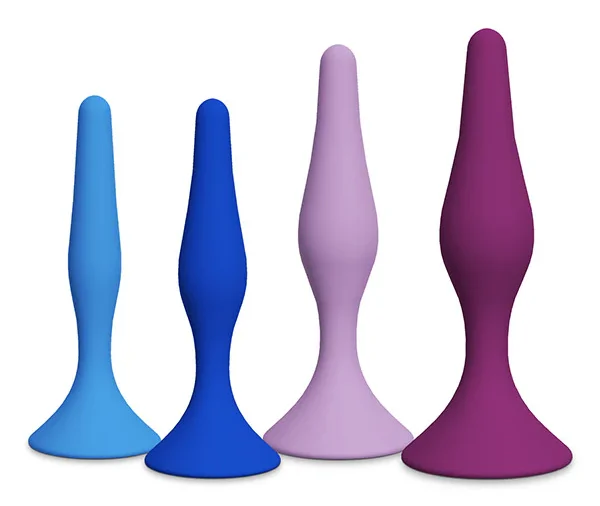
Rectal dilators can be purchased individually or in sets. They are available online, as well as in some pharmacies. Some dilator brands accept HSA and FSA payments, too!
Your individual needs will help determine which kind of dilator is the best fit for you. If you’re unsure, read through the guide linked below to familiarize yourself with dilators a bit more:
Types of Dilators and How to Choose What’s Best for You
If you need help choosing a dilator, a pelvic floor physical therapist can provide recommendations based on your individual needs.
While rectal dilators can be useful for many, it may be necessary to use tube-shaped dilators (usually referred to as vaginal dilators) for rectal dilation, too.
This can be especially so for those with short, tight sphincters that cannot be properly stretched by the lava lamp shape often found with rectal dilators. Always follow your provider’s recommendations and guidance for which dilators to use.
Conditions Addressed With Rectal Dilation
As mentioned before, rectal dilation can be very beneficial for a wide range of needs. Practically anyone can engage in rectal dilation! However, it is often known for the following scenarios:
- Addressing pelvic floor dysfunction
- Managing chronic constipation
- Preventing anal stenosis
- Improving comfort with anal sex
- Addressing pelvic, hip, tailbone, or low back pain
- Reducing painful muscle spasms
- Managing pudendal neuralgia
- Anal or rectal fissures
- And much more!
This is only a small list of problems that rectal dilation can address—the reality is that this treatment can be suitable for many, many situations.
Benefits of Rectal Dilation
If you couldn’t tell already, rectal dilation has many benefits! While it can tend to a variety of needs and address many different symptoms, you may be wondering how that is. So, let’s discuss the actual direct effects of rectal dilation…
Generally, rectal dilation helps gently stretch the tissues of the anal canal and the rectum. These two organs are interconnected with your pelvic floor, which is a group of muscles in your pelvis that is directly responsible for many different functions.
The pelvic floor controls continence of both your bladder and bowels, allows for sexual function and sensation, and plays an important role in the body’s movement, stability, and balance. However, the pelvic floor is prone to dysfunction, which can cause a multitude of uncomfortable symptoms.
Constipation, incomplete bowel movements, pelvic pain, muscle spasms, painful sex, and many other issues are a result of pelvic floor dysfunction. Luckily, rectal dilation can significantly support treatment for these symptoms and more!
Dilation does this by providing the following benefits:
- Releases tension in the rectum, anus, and pelvic floor
- Supports better pelvic floor control
- Improves blood blow and circulation
- Encourages nerve mobility
- Reduces tissue sensitivity
- Supports better bodily awareness
- Encourages nervous system regulation
By offering all of these benefits, rectal dilation can reduce your pain, decrease your symptoms, improve your pelvic floor function, and support better pelvic health overall!
Dilation isn’t limited to physical benefits, either. You may have noticed “encourages nervous system regulation” and “supports better bodily awareness” on the list above. These are included because dilation helps individuals practice calm and learn more about their bodies.

Not only will you learn to control your pelvic floor better, but dilation is often paired with deep breathing work, too. By learning and practicing deep breathing, you’ll help regulate your nervous system, manage stress, and create a better connection with your body.
Get Started With Effective Dilation
Dilation can seem simple enough—simply insert this fancy tool and you’re done, right? Unfortunately, it doesn’t necessarily work like that. In actuality, the application of these tools strongly depends on your pelvic floor condition and the symptoms you are trying to address.
Not every symptom or condition should be treated the same, even if they all seem related or similar. Dilation can be very tailored to your individual needs, and it should be! This ensures the safest and most effective application, as every person’s body and needs are different.
Whether you’ve tried dilation before or not, I invite you to start treatment with me! With my pelvic floor knowledge and training, I can guide you through the dilation process to ensure safety and long-lasting results.
In fact, there are many aspects of pelvic floor physical therapy that directly benefit and support dilation. You can read all about it here:
Dilation: How Pelvic Floor Therapy Can Provide Guidance & Support
If you’re unsure or still have some questions about physical therapy, you should consider trying a free discovery call!