


What Is Dilation?
Dilation is the process of using a set of tools called dilators to gently stretch vaginal or rectal tissues, with the goal of improving comfort and reducing a range of symptoms.
For vaginal dilation, this can mean better comfort and less pain during penetrative intercourse, masturbation, exams, or the use of menstrual products. Rectal dilation can be used to support the treatment of constipation, to reduce pain with penetrative sex and masturbation, or to prevent scarring after surgery.
To describe the process simply, you’ll begin with a small dilator size and will insert it (with lubricant) to gently stretch your vaginal or rectal tissues.
Once you are completely comfortable with the current size, you’ll move up to progressively larger sizes until you reach your goal. This process can vary greatly from person to person, as can the time it takes to see progress.
Dilation is a very effective solution for a wide variety of symptoms and conditions. However, it must be done correctly and consistently to show results!
Why You Should Work With a Professional
Dilation may sound simple, but there are actually a lot of different aspects of the process that can vary from person to person. After all, there’s a lot of different reasons to dilate, and everyone’s needs can differ significantly. For example, you’d need to consider the following:
- How often (frequency) you should dilate
- How long (per session) you should dilate
- How to effectively use dilators
- What dilating is supposed to feel like
- How to know if you are making progress
- What dilator size you should start with
- What dilator type is best for you
- How to perform pelvic floor exercises during dilation
- How to maintain good cleanliness and hygiene during the process
Many of these aspects can have varied answers—they depend on your own individual needs and body. Unfortunately, it is possible to dilate too often, too quickly, or incorrectly. Dilating incorrectly can inhibit progress or even result in injury, so it is important to take things step by step and without rushing for results.
Dilation can be very effective, but it requires consistency in practice. This process can also be a very emotional experience for many individuals, as pain with insertion can be caused by a mix of physical and psychological factors.
Working with a professional can help you to start off on the right foot by allowing you to do dilation correctly from the very beginning.
However, that doesn’t mean you should give up if you’ve already tried dilation and didn’t see success. Not seeing any progress after dilating or struggling to even begin can be very discouraging and frustrating, but you don’t have to endure this process on your own.
A pelvic floor physical therapist such as myself can help provide instruction and resources to better support your dilation journey!

Getting a professional’s recommendations and guidance during your dilation journey can be extremely beneficial.
While talking about this process with someone may seem a bit embarrassing, it may be helpful to know that I have many years of experience in pelvic floor therapy, including dilation therapy. I have seen countless patients, and I’m dedicated to creating a safe, welcoming treatment environment for all!
I can work with any comfort level, and I always request consent before any form of examination or treatment. You are in control during treatment, and can rescind consent at any time. I even make sure to educate my patients every step of the way, and provide plenty of resources or tools that they may need to succeed.
So, you may be wondering: “What are the benefits of working with a pelvic floor therapist during dilation?” Simply put, it’s getting answers to all of those questions discussed previously—how to dilate, when to dilate, how long to dilate, and much more.
After all, getting started can be confusing. Dilators come in many different sizes, shapes, materials, and prices. Deciding on which to use largely depends on your individual needs… but what if you don’t even know what you need? Don’t worry! I can help you identify what your needs and goals are, and we can start from there.
I can walk you through the entire dilation process, what you should expect, and even create an entire plan for your unique dilation needs. I can help you track your progress, and provide recommendations such as the type of dilator you should use, non-irritating lubricants, dilator handles, and many other helpful tools.
Most importantly, dilation doesn’t necessarily have to be a stand-alone treatment. Engaging in other pelvic floor physical therapy treatments is not just incredibly useful, but often essential for seeing progress during dilation. We’ll talk about this more below!
How Pelvic Floor Physical Therapy Can Help
Pelvic floor physical therapy can significantly support the dilation process and is an important part of addressing symptoms of pelvic floor dysfunction, menopause, vaginismus and more—all of which can cause pain with insertion.
In fact, your pelvic floor is directly related to your comfort with insertion or penetration (both vaginally and rectally). But what is the pelvic floor?
The pelvic floor is a group of twenty-six muscles found within the pelvis of each and every person. It’s an important group of muscles that keeps your pelvic organs in place, helps you use the restroom, and allows for enjoyable sex.
The pelvic floor surrounds and interconnects with many structures and organs in the pelvis. It directly impacts your vaginal canal, rectum, and anus.
If the pelvic floor is tight, weak, inflexible, or uncoordinated (pelvic floor dysfunction), it can cause painful penetration or insertion, may worsen the effects of menopause, and can create conditions like vaginismus or chronic constipation. Starting dilation on your own while pelvic floor dysfunction is present can make the process frustrating, painful, and confusing.
Again, I’d highly recommend working with a pelvic floor physical therapist—like me! I can help you address your dysfunction safely and in a way that best suits your body’s needs.
Additionally, I offer a variety of other treatments to address pelvic floor dysfunction, which will in turn support a better dilation experience. By pairing consistent dilation with comprehensive pelvic floor care, you’ll have a smoother path to a pain-free life.
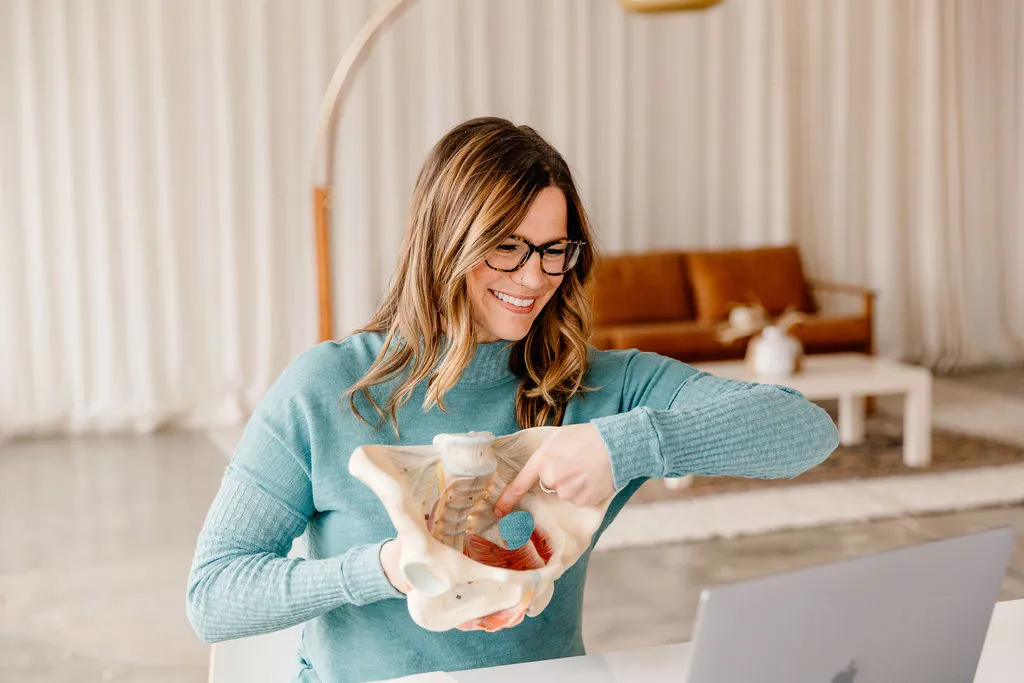
So, let’s jump into the details of pelvic floor physical therapy, and what it could look like!
Remember when we mentioned understanding your unique dilation needs earlier? Well, those are significantly influenced by your pelvic floor health. Every person’s pelvic floor will have different needs, and therefore physical therapy treatment plans can often vary from person to person.
However, you can expect your care plan to involve some of the following goals…
Reduce Tension
One of the most common reasons people need to dilate is because of tension. To reduce tension and pain in the pelvic floor, I’ll include treatments such as manual therapies, exercises, stretching, and breathing techniques in your care plan.
I can teach you how to reduce tension with at-home strategies, too. Reducing tension is especially important for those struggling with vaginismus or chronic constipation, as these conditions involve very tight or overactive pelvic floor muscles.
Restore Coordination
Individuals with pelvic floor dysfunction often struggle to control or coordinate their pelvic floor. To improve your understanding of your pelvic floor, I may utilize treatments like neuromuscular re-education and biofeedback.
These treatments allow you to practice contracting and relaxing your pelvic floor muscles while seeing your progress and movements with real-time feedback.
Coordination and control is especially important for dilation, as many dilation methods involve active engagement of your pelvic floor muscles during practice. If you can’t activate them properly on command, you won’t see as much progress.
Regain Strength
Once you have an understanding of your pelvic floor and its movements, you will be better able to engage in strengthening activities. Strengthening your pelvic floor will allow for healthy function and can even support better sensation during sexual activity.
Therefore, I’ll create an exercise plan that will balance the muscle tone in your pelvic floor, lower back, abdominals, hips, and other structures. Focusing on all of these areas combined helps reduce tension caused by muscle imbalances!
All of these above-mentioned treatments will work together to improve your pelvic floor health and function, which will support your dilation journey immensely. Rest assured that I will curate an effective and safe dilation strategy for your individual needs.
By working together, you’ll feel much more confident in starting dilation and reaching your goals!
I accept patients of all ages and gender identities. If you’re ready to get started, book an appointment! Or, for further questions, explore the discovery call.