


What Are Labor Pushing Mechanics?
Childbirth involves a lot of different aspects—breathing control, positioning, timing, and pushing mechanics. Labor pushing mechanics refer to the physical movements (muscle contractions and relaxations) you’ll perform throughout the birthing process.
Put simply, the birthing process typically plays out like this:
Early labor and active labor phase:
Pregnant individuals will experience contractions that start out mild (early labor) and progressively become stronger with less time in between (active labor). During this time, practicing breathing techniques can help provide comfort and relaxation.
Birthing phase:
After the active labor phase, you may begin to feel the urge to push. When it’s time to begin, you may start pushing during each contraction. You can push as you feel the urges or as your practitioner instructs you.
During this time, you can try other positions to see which feels best for you. For those with an epidural, urges can be more difficult to feel, and so you may need the help of your coach to lead you through timing your pushes. Those who choose to have an epidural may also need assistance to move into other positions.
During the birthing phase, understanding how to push can be confusing, especially if it’s your first time. Labor pushing mechanics are a very important part of the birthing phase, as you’ll need to coordinate your muscles, time your pushing, and be mindful of maintaining your energy and breathing throughout.
When coupled with the pain and stress you may experience during this time, pushing may seem like an intimidating task. But it doesn’t have to be! Practicing beforehand with the guidance of a professional can help significantly not just with the physical process, but also your mental preparation, too.
What Role Does the Pelvic Floor Play During Childbirth?
The pelvic floor is an important group of muscles found within your pelvis that performs a wide variety of functions. It allows you to use the restroom, enjoy sexual activity, lift items, and move in a variety of ways. Even your body’s stability, balance, and blood flow is supported by it!
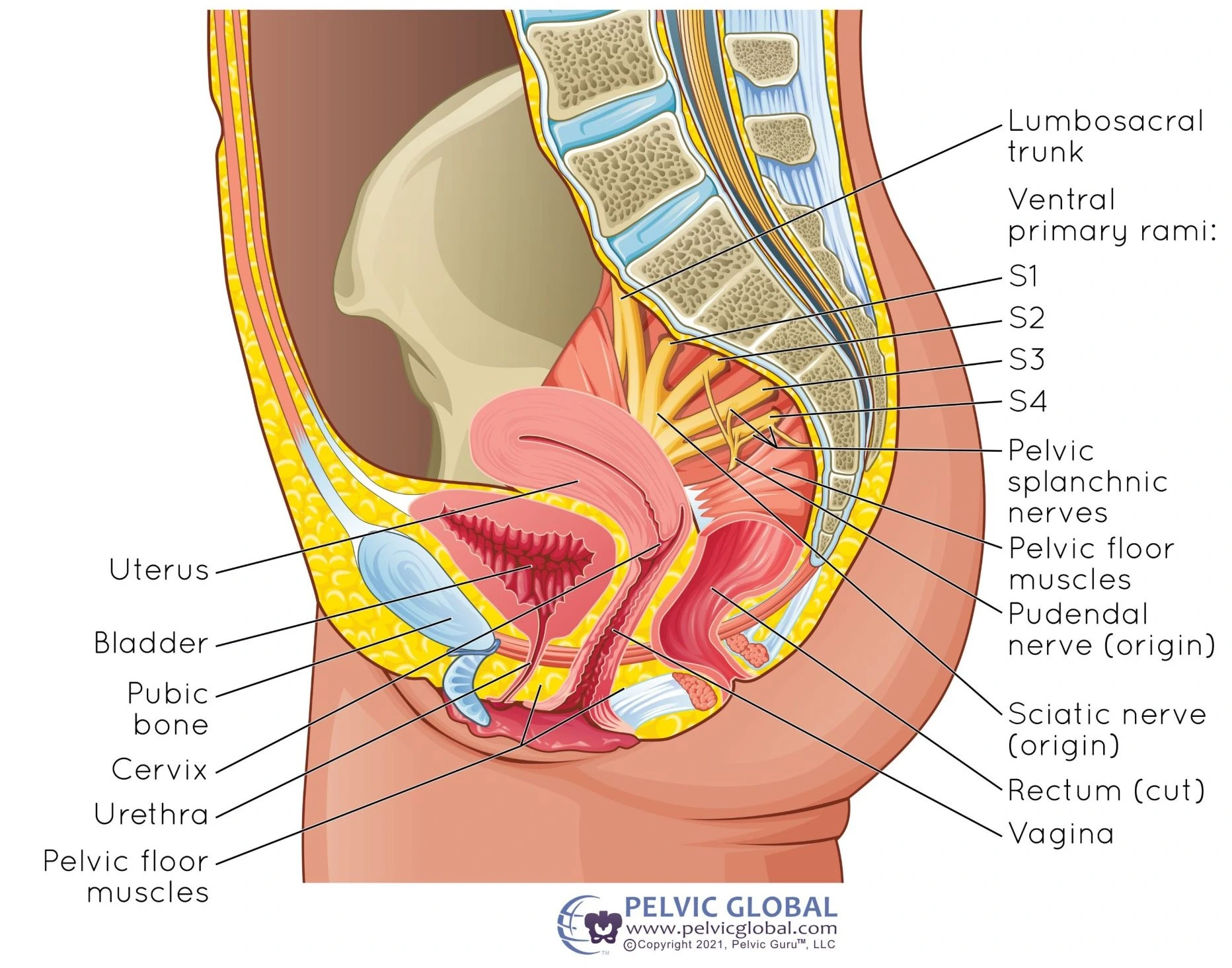
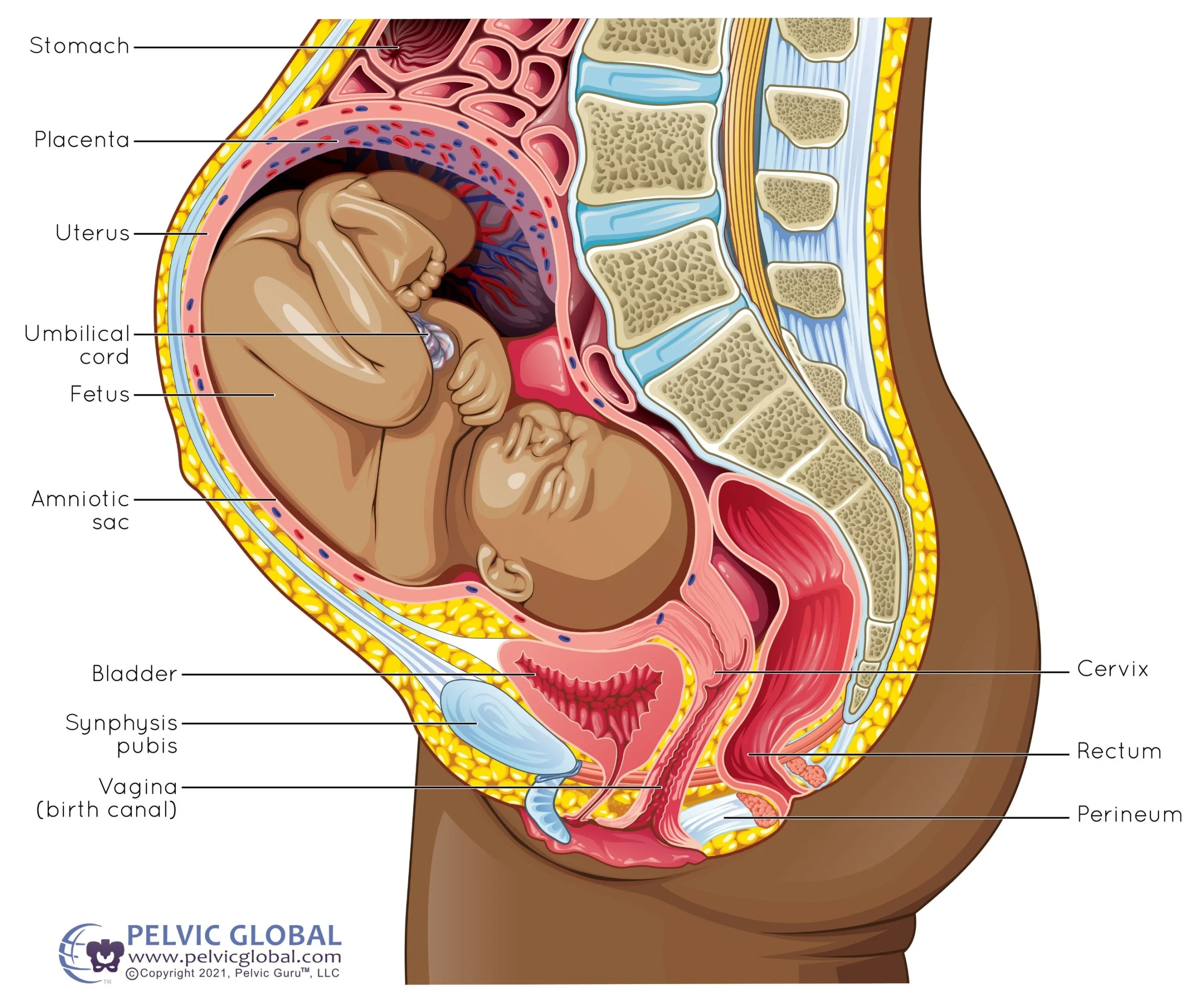
The pelvic floor also plays a very important role during childbirth. It may help to understand the birthing process in regards to what organs are involved, as well what occurs during a push…
The birthing process starts in the uterus, where contractions will begin to take place (refer to the early and active labor phases described earlier). These contractions allow the cervix to open for the baby to exit the uterus. The cervix refers to the lower, thinner canal of your uterus that connects to your vaginal canal.
During the birthing phase, the baby will move past your cervix, then through and out of the vaginal canal. The pelvic floor is very involved during this time, as it surrounds the vagina. In order for the baby to pass through and exit the vaginal canal, the pelvic floor muscles need to relax and stretch.
A “push” motion involves not just the activation of your deeper abdominal muscles but also the relaxation of your pelvic floor. This push helps provide a downward pressure from above (pushing the baby downward) while relaxing the passage that the baby will pass through (the vagina and pelvic floor muscles).
If the pelvic floor is in poor shape (in other words, dysfunction is present), the birthing process may be more difficult and last longer. When the pelvic floor muscles are tight, weak, or uncoordinated, you may struggle to push effectively during labor.
This is why preparing with a pelvic floor physical therapist before childbirth is so important and beneficial. No worries, physical therapy is safe during pregnancy—and it’s never too late to get started!
How Pelvic Floor Physical Therapy Can Prepare You
Pelvic floor physical therapy can provide significant benefits for pregnant individuals. Not only can it help you prepare for childbirth, but it can also help you prepare for postpartum healing!
More specifically, by working with a physical therapist (like me!), you’ll experience the following:
Prepping your pelvic floor:
Treating signs and symptoms of pelvic floor dysfunction before childbirth by reducing pelvic floor tension, improving coordination, and strengthening pelvic floor muscles. This allows your pelvic floor to perform at its best when labor begins. This may also reduce the risk of tearing or damage.
Prepping other related areas of the body:
Your hips, pelvis, and abdominals need to be strong and flexible to support the childbirth process. Your physical therapist will be able to tend to these areas as well!
Pushing mechanics:
Understanding how to coordinate your muscles to perform a push during labor—including how to contract your abdominal muscles correctly while simultaneously relaxing your pelvic floor. Practicing pushing can help build confidence for when the time actually comes!
Other aspects of labor:
- Exploring your options when it comes to positioning, how your body can perform in those positions, and how to practice pushing in those positions.
- Practicing breathing techniques not just for relaxation but also for the pushing process.
- Learning what to expect during postpartum in terms of pelvic floor recovery, symptoms, and rehabilitation.
Pelvic floor physical therapy can provide a very wide range of benefits during pregnancy, postpartum, and the actual labor process. While it is impossible to predict what exactly will happen in the delivery room, preparing your body beforehand will provide you with better confidence and mental preparation.
You’ll know what to expect during the process, rather than going in completely blind. There’s no reason to wait until you’re in the middle of giving birth to learn labor pushing mechanics!
If you’re interested in getting started, feel free to make an appointment with me! I accept patients of all ages and gender identities, so anyone can feel welcome and safe while working with me.
I’ll tailor your physical therapy treatments to your individual needs, and sincerely listen to any concerns you may have. With my expert advice and treatment, you’ll be both prepared and confident for when the time to meet your baby comes!