

What Is Sacroiliac Joint Dysfunction?
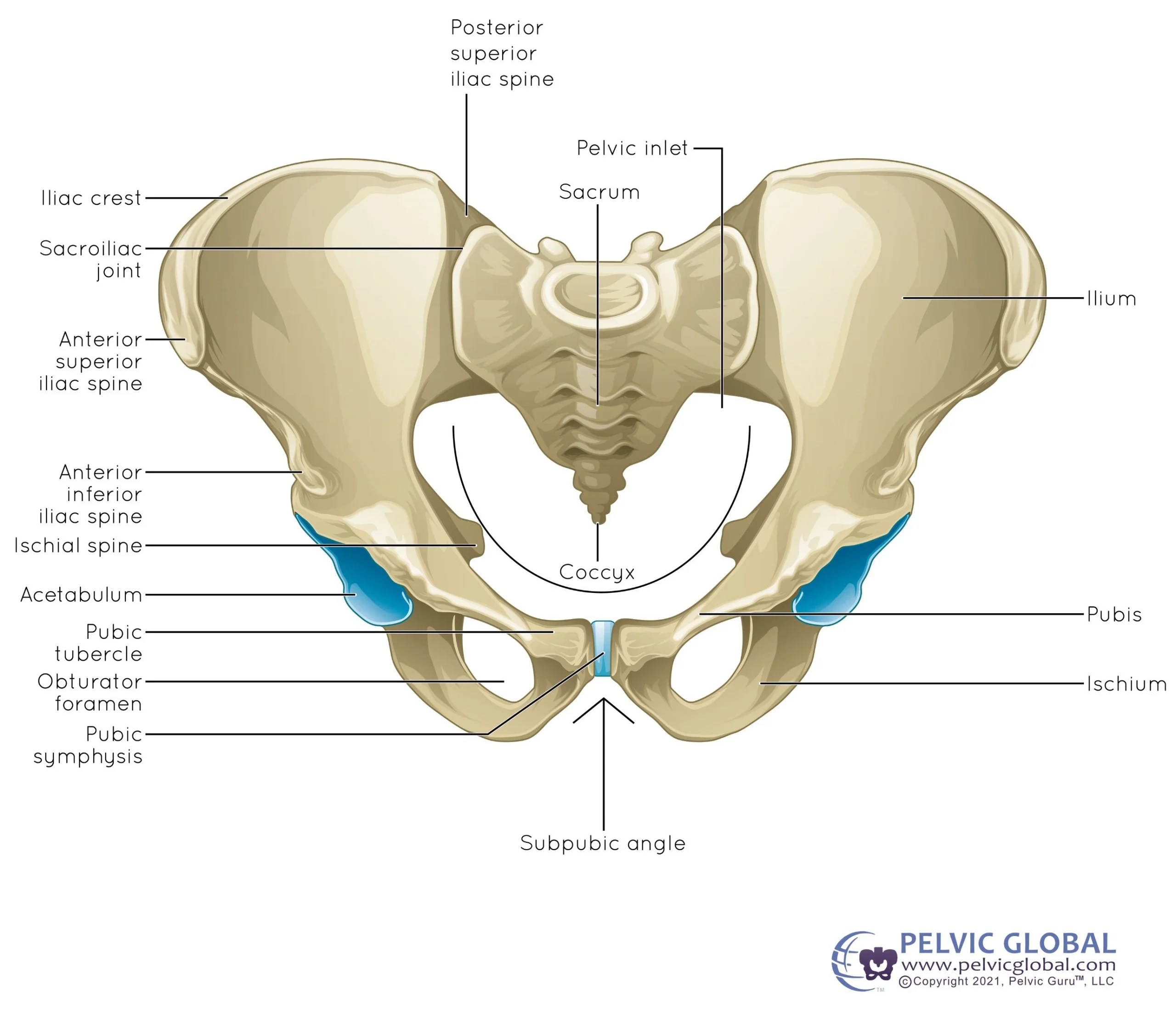
Sacroiliac joint dysfunction refers to pain, instability, altered function, or difficulty with movement in the sacroiliac joints. You have two sacroiliac joints, one on each side of your pelvic bone. These joints connect to the last segment of your spine (the sacrum), and are located behind the dimples of your lower back.
These two joints are responsible for supporting your upper body’s weight and distributing it to the lower body. They don’t have a very wide range of motion, but they do allow for rotation of the hips.
The sacroiliac joints absorb stress or impact while you move—when you walk, run, or bend over, these joints are helping with some of the workload! They also widen during childbirth to allow for easier passage of a baby.
As you can see, these two joints are active all day long, taking on a lot of the body’s movements, weight, and impact. Due to this, they can become stiff, damaged, inflamed, or hypermobile.
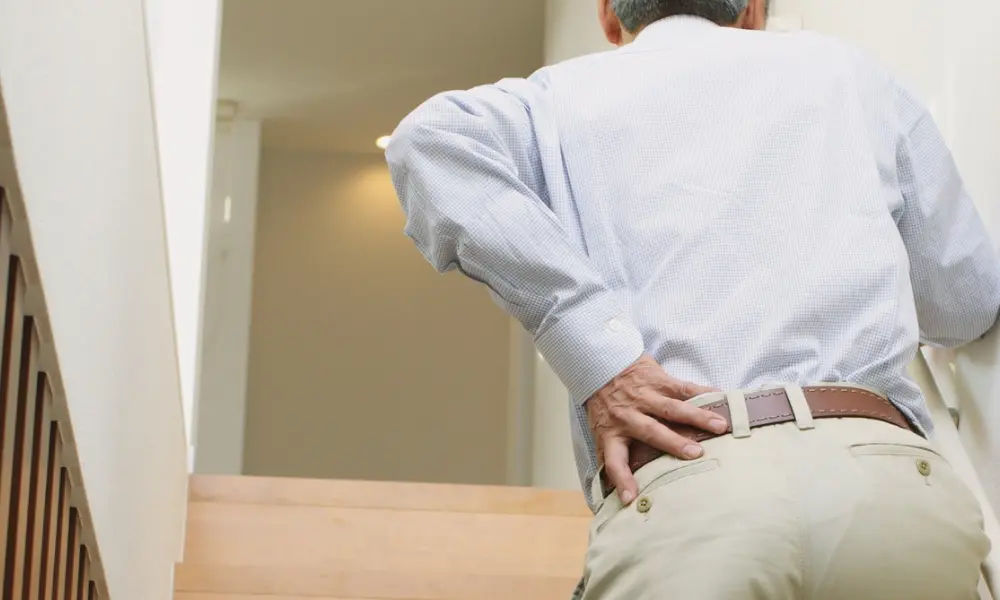
This dysfunction can cause painful movements, stiffness, lower back pain, and pain in the buttocks or groin. Sitting or standing for long periods of time and activities such as climbing stairs may be painful and difficult.
What Causes Sacroiliac Joint Dysfunction?
Sacroiliac joint dysfunction can be caused by a few different things. There are different conditions and other factors that can cause significant strain on the sacroiliac joints, which may result in dysfunction. Let’s explore some possibilities below:
Pregnancy and Childbirth
Pregnancy and childbirth can cause significant stress on the sacroiliac joints. During pregnancy, these joints take on more weight than usual, in addition to a shift in your body’s center of gravity. This causes quite a lot of strain on the lower back and sacroiliac joints.
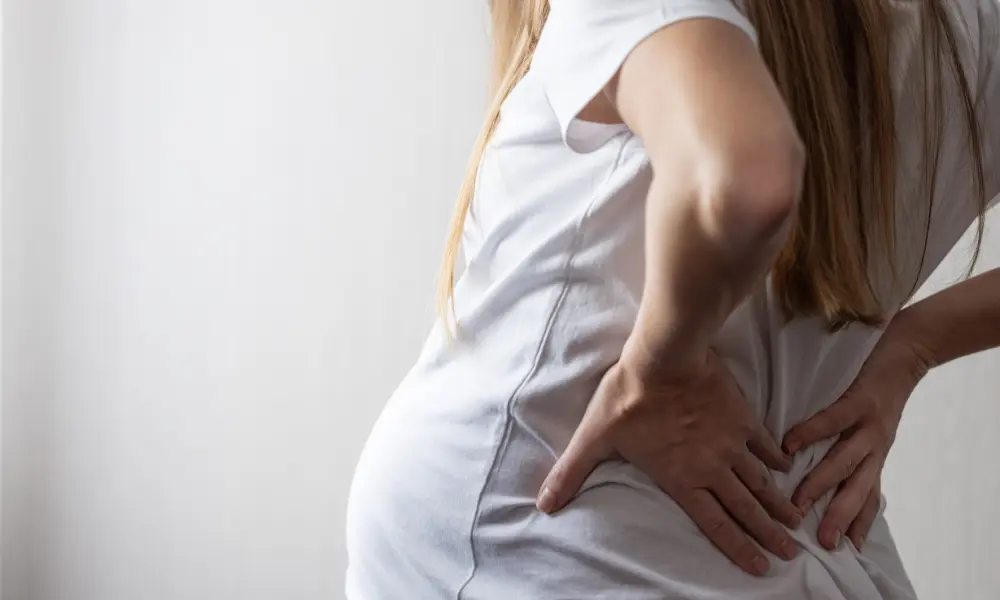
Additionally, your body releases a hormone called relaxin, which relaxes your ligaments and muscles in preparation for the growth of the uterus and childbirth. This increases the flexibility of the ligaments that support the sacroiliac joints, which unfortunately puts more strain on the two joints.
While childbirth can vary from person to person, many individuals experience injury to their pelvic floor muscles, which have a significant effect on the sacroiliac joints. We’ll talk more about the connection between your pelvic floor and your sacroiliac joints next!
Pelvic Floor Dysfunction
The pelvic floor is a group of muscles located within the pelvis. These muscles surround many organs and connect to many different structures, such as the pubic bones, tailbone, and sacrum.
The pelvic floor works together with your sacroiliac joints and other structures to stabilize your body’s balance and support the weight from above. They also share a network of nerves, and therefore are more interconnected than you may think!
Due to the connections between the pelvic floor and the sacroiliac joints, any dysfunction present in either structure will affect the other. Sacroiliac joint dysfunction can lead to pelvic floor dysfunction, and vice versa.
Pelvic floor dysfunction is characterized by pelvic floor muscles that are weak, short, inflexible, tight, or uncoordinated. This causes strain on the sacroiliac joints that may lead to pain, stiffness, lowered mobility, and other symptoms of dysfunction.
Pelvic floor dysfunction is a very common condition, but is often overlooked during diagnosis as its symptoms overlap with many other conditions. Learn more about pelvic floor dysfunction, its causes, and the symptoms associated with it on the pelvic floor dysfunction page!
Osteoarthritis
Osteoarthritis is a type of arthritis that refers to the gradual wear and tear of cartilage. Cartilage is the protective tissue found at the ends of bones. It helps provide cushioning and lubrication between bones, which allows for painless and smooth movements.
However, over time, cartilage can wear down from age and repetitive usage. This can cause friction that results in stiffness, pain, lower range of motion, and aching.
Osteoarthritis can affect the sacroiliac joints, causing stiffness and pain in the areas surrounding the joints.
Injury
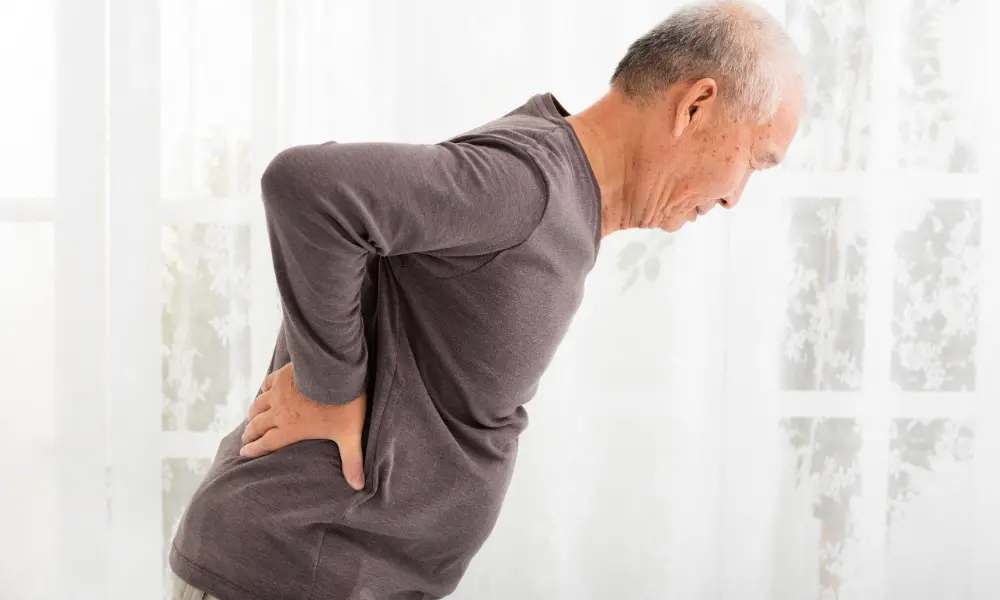
Lastly, injury can affect the sacroiliac joints just like any other structure in the body. Previous injuries can weaken the joint, which contributes to symptoms of dysfunction and pain. It is important to rehabilitate properly after injury to maintain joint health in the long run!
Luckily, pelvic floor therapy can help address sacroiliac joint dysfunction, no matter the cause! We’ll explore physical therapy treatment in the next section.
How Pelvic Floor Physical Therapy Can Help
Pelvic floor therapy can provide support and relief from sacroiliac joint dysfunction by strengthening the surrounding structures of the body, correcting postures and other harmful habits, reducing muscle tension, restoring the pelvic floor to good health, and providing immediate pain relief as needed.
While working with me, you can expect to engage in a variety of treatments in order to achieve each of these goals. For every patient I see, I curate a unique plan of care that addresses their individual concerns, symptoms, and health needs. Let’s explore some of the treatment methods that may be included in your comprehensive care plan below!
Strengthening
One way to relieve stress and strain from the sacroiliac joints is to strengthen the areas around them, such as the lower back, abdominals, and pelvic floor. The sacroiliac joints don’t work alone to support the body, after all!
Imbalances in the muscle tone of these other areas can make the sacroiliac joints overcompensate. Therefore, part of your pelvic floor physical therapy treatment will involve exercises to strengthen the body!
Every patient comes from a different fitness level and will have varying muscle tone in these areas. Therefore, I’ll curate a specialized exercise plan for your body’s specific needs and your current fitness level. You can expect your exercise plan to start out mild, and then progressively become more challenging.
You can also expect a diverse exercise plan that may include stretching, range of motion exercises, breathing exercises, balance and coordination training, and more!
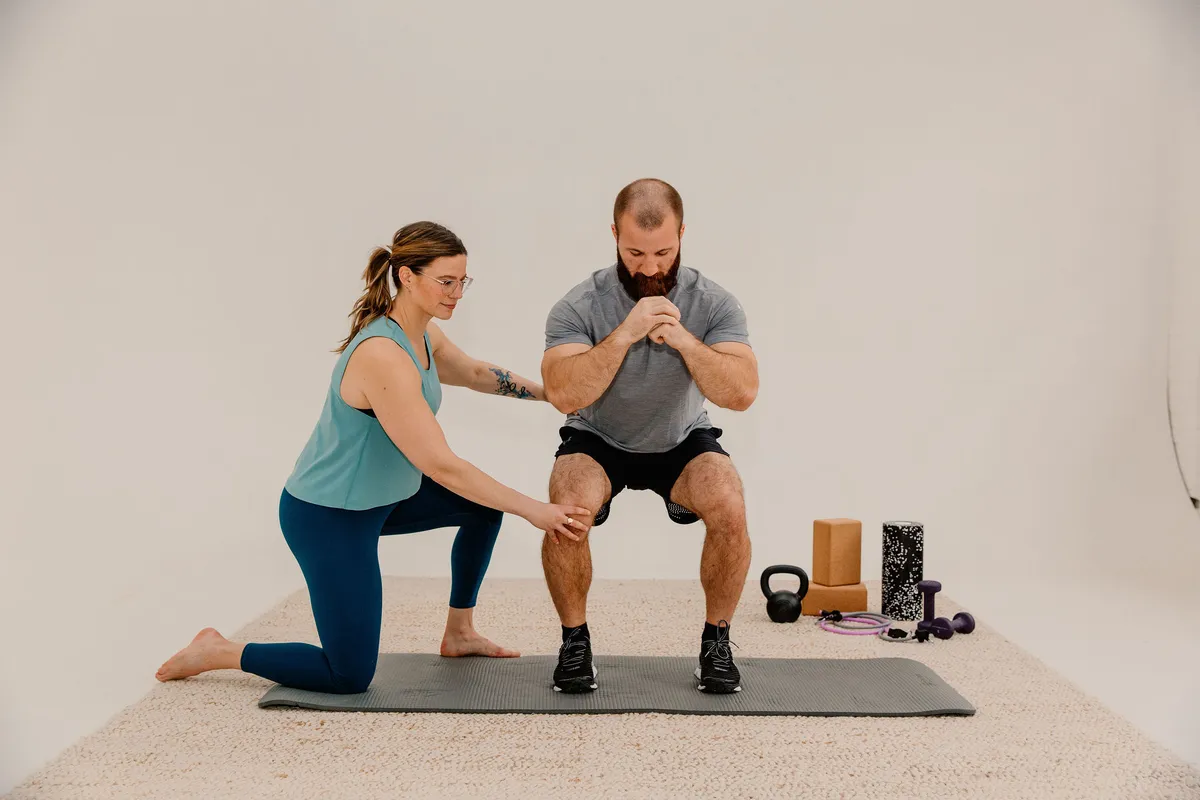
Behavioral Modifications
As mentioned before, the sacroiliac joints support the body during many different movements and activities, even simple things like walking, lifting items, climbing stairs, sitting, or standing.
However, you could be doing any of these activities with poor form or posture. This can lead to tension and straining in the sacroiliac joints, hips, abdominals, lower back, and pelvic floor—all of which are interconnected.
To prevent straining in any of these important areas, I will assess your posture while you sit, stand, or move, and make corrections as needed. I can teach you proper form for lifting, and can make recommendations for any recreational sports or activities you engage in as well! Correcting muscle imbalances with the exercise plan described above can help support better posture, too.
In the case that your posture is impacted by a case of misalignment, I can provide spinal manipulation and joint mobilizations as needed. This not only corrects misalignment, but also improves joint range of motion and reduces pain!
Pelvic Floor Care
Having a healthy floor is very important for preventing sacroiliac pain. Pelvic floor dysfunction can present as muscle tightness and weakness, which will put strain on the sacroiliac joints as they are pulled by tension or try to compensate for pelvic floor weakness.
Sacroiliac joint dysfunction can also lead to or worsen pelvic floor dysfunction (and vice versa), which can lead to symptoms of constipation, urinary urgency, urinary frequency, sexual dysfunction, and more.
To address pelvic floor dysfunction, I’ll lead you through a variety of treatments that relieve tension, build strength, and restore coordination in your pelvic floor.
This can include exercises and strengthening activities, neuromuscular re-education and biofeedback, and manual therapy. Much of the treatments above (strengthening and behavioral modifications) will also play a role in treating or preventing pelvic floor dysfunction!
Manual Therapy and Pain Relief
Depending on your needs and symptoms, I may utilize pain-relieving manual therapy treatments as a part of your care plan. This can help provide immediate pain relief while you also engage in long-term strategies for sacroiliac joint health.
Manual therapy treatments manipulate tissues (muscles, ligaments, tendons, and more) to release tension, provide pain relief, and improve function. Manual therapy improves tissue mobility, reduces stiffness, and promotes circulation. This kind of treatment includes techniques like dry needling, cupping, tissue scraping, and other manual therapies—all of which can provide even more health benefits!
Individualized Care Plan & Education
As described above, there are many treatments that I may use to address sacroiliac joint dysfunction. Your care plan may include the treatments explored above, but can also vary based on your individual needs. Rest assured that I will only use treatments that are safe for your unique medical history and necessary for your individual symptoms!
Additionally, I value preventative care and long-term health strategies. To support these values, I do my best to give my patients the knowledge, resources, and tools necessary to support great sacroiliac joint health not just in the clinic, but at home, too.
You can expect to be prescribed exercises and other activities that will help maintain your progress and protect the health of your joints in the long run.
If you’re ready to get started, book an appointment with me! I offer both virtual and in-person sessions. You can also have simple questions answered with a discovery call!