

What Causes Pelvic Girdle Pain?
Many people are aware that pregnancy pain (hip pain, back pain, and so much more) is common, but did you know that it isn’t necessarily “normal?” In other words—you don’t have to just deal with it!
A lot of pregnant individuals will experience significant pelvic pain that may radiate to their lower back, hips, and other areas. Oftentimes, this pelvic pain is actually pelvic girdle pain!
Pelvic girdle pain (PGP) is a type of pelvic pain that most commonly occurs during pregnancy, although pregnancy is not the only instance of this pain. It is usually caused by inflammation and instability, which causes strain on the muscles and joints throughout the pelvis.
Pregnancy is a more common cause of PGP due to the growing weight that changes the body’s center of gravity as well as the natural shifts that happen to the body’s posture and musculoskeletal system.
Additionally, the hormone relaxin loosens the body’s ligaments and structures during pregnancy, which puts even more strain on the joints and pelvis.
Pelvic girdle pain can vary widely from person to person, and the pain can be felt in many different parts of the pelvis. This is because the pelvic bone is made up of three different bones, each of which can be affected in different ways and cause pain in different areas. Pelvic girdle pain often affects the front or back of the pelvis, hips, lower back, thighs, and other nearby structures.
Pain in the pelvic girdle can unfortunately make movement painful. Walking, using stairs, getting in and out of bed, or moving from sitting to standing (and vice versa) can be painful.
So, how can you better manage pelvic girdle related pregnancy pain? Below, we’ll look at some strategies, exercises, and tools you can use to reduce your pain and promote better mobility during pregnancy.
How to Get Moving During Pregnancy
While it might seem counterproductive to do exercises and movements when you have pain, it can actually help ease discomfort and provide better stability to your body with consistent practice. It’s important to start small, go slowly, and listen to your body.
You may have already tried doing exercises, and stopped due to pain. Don’t give up! While it can be frustrating to struggle with pelvic girdle pain, sometimes it is necessary to start very small or try different methods. Additionally, not every movement or exercise will be suitable for your type of pain. Trying to force activity may only make your pain worse.
Due to these reasons, working with a pelvic floor physical therapist can be very helpful! When you work with me, I can get to the root of your pregnancy pain and suggest movements that are better suited to your current tolerance level and individual needs.
For many, being consistent with simple daily actions are a great way to start. There’s not one single exercise that will magically relieve all your pain in a single instance—instead, you’ll need to build your way up to less pain with a variety of careful exercises, stretches, and decompression activities.
Practicing small daily actions multiple times a day can help relieve pressure and improve your ability to integrate more movement later on. With consistent practice, you’ll experience less pain and better movement.

It is important to self-assess throughout your activities each day to track your pain levels and their frequency, duration, and intensity. Rate your pain out of 10, track how often it occurs, and for how long.
As you integrate small daily practices into your routine, you’ll likely notice that your pain becomes less intense, less frequent, or shorter in duration. That is the goal!
You may also be able to see a change in how much activity you can handle. For example, say you are only able to walk for 15 minutes a day until pain gets in the way. With consistent practice of light movements, stretches, and other changes, you can slowly work your way up to being able to walk for longer amounts of time without pain.
Change takes time. Be patient with your body, and kind to yourself during this process. And again, I’m always available through virtual and in-person sessions if you want guidance during this time!
With that being said, let’s look at some small steps you can start with to ease pelvic girdle pain…
Easy Pain-Relieving Strategies for PGP
As I mentioned before, small changes can make a big effect with consistency. Here are some small changes you can start with if exercise, yoga, or general movement is too much for you at the moment:
Take Smaller Steps
One simple place to start is changing your step length. By slowing down your pace and taking slightly shorter steps, at least initially, some of the pressure will be taken off your pelvic girdle and other structures.
Pushing your body more than it can handle is like creating a bruise in the same place over and over. Take smaller steps for a few days or weeks and that should help things calm down so that you can slowly return to your pre-pain walking (gait) speed.
Relieving Pressure
Your pelvis will have a lot of pressure on it from the weight of your pregnancy and the changes I mentioned earlier. This pressure can create strain and pain on other areas of the body too, so it can be helpful to decompress at times.
This can be accomplished simply by sitting in a semi-reclined position. You can accomplish this by laying completely flat with a few pillows under your knees, or you can elevate your pelvis so it is a bit higher than your heart.
Stop Heavy Lifting
You may have already heard this tip before. The issue is not always the weight of the load, but actually your body mechanics while completing the lift (although you should also avoid heavier items). It may also be that you are doing several repetitions.
Before you just stop all lifting, first ask yourself if the lifting motion reproduces the pain. If it does, then do not complete the lift. If it doesn’t, then make sure you are scanning your body to ensure proper body mechanics and muscle engagement. If you aren’t sure what the proper body mechanics or muscle engagements are, a physical therapist can help you!
Stretches, Yoga, and Exercise for PGP
Once you start to feel more comfortable with movement, you can begin trying gentle stretching, yoga, or light exercise. Remember to start slow and listen to your body. These activities should not feel painful. If you struggle with pain during any movement, you may want to work with a professional to find what works best for you.
During pregnancy, you’ll want to focus more on stability and relaxation when practicing yoga or stretching. Your ligaments and muscles are already loosened during this time, so you don’t want to overstretch. As for exercise, you should focus on consistent, regular activity without overexertion.
There are a lot of different activities that can be suitable for pregnant individuals. While it would be difficult to tell you exactly what yoga or stretching techniques to use without seeing your individual case, many activities can be beneficial and safe when done with caution.
While it may be obvious, certain movements—high impact exercise, some more advanced yoga poses, sports, and things of that nature—aren’t exactly suited for pregnancy.
Gentler exercises like walking, swimming, yoga, and stretching are often recommended for pregnant individuals. Many people can continue doing much of the exercise they enjoyed before pregnancy with modifications as needed.
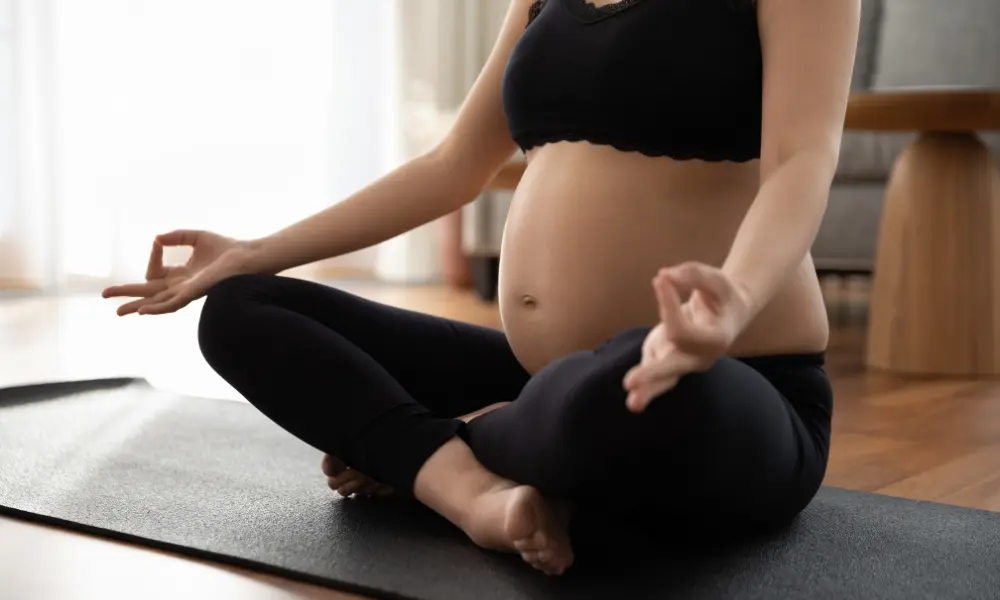
Listen to your body, never overexert yourself, and never push through pain. Try different methods and see what feels most comfortable for your body. And when in doubt, see a professional for instruction or guidance.
Below, I’ve shared some of my free content for stretching and yoga poses that can be useful for both pregnant and non-pregnant individuals!
Pelvic Floor Stretches
Video Playlist: Pelvic floor stretches with modifications (Playlist includes individual videos for each stretch)
Written Guide: Pelvic floor stretches with modifications (Includes links to written instructions with pictures for each stretch)
These video and written guides provide stretches for the following areas:
- Hip adductor
- Piriformis
- Hamstring
- Hip flexors
Pelvic Yoga Poses
Video Playlist: Yoga poses with modifications (Playlist includes individual videos for each type of pose)
Written Guide: Yoga poses with modifications (Includes links to written instructions with pictures for each type of pose)
These video and written guides include instructions for the following yoga poses:
- Sphinx pose (first trimester only)
- Bound angle pose
- Cat cow
- Child’s pose
- Deep squat
- Happy baby (first and second trimesters)
Tools to Manage Pregnancy Pain & PGP
In addition to exercises, stretches, and other pain-relieving strategies, there are many tools and helpful items that can provide additional support and relief throughout your pregnancy—many of which I’ve described below!
Support Belts & Belly Bands
Pregnancy support belts are very useful items that can provide more stability and support to your lower back and hips as you progress through your pregnancy and bodily changes. Individuals who aren’t pregnant can use SI belts for pelvic girdle pain.
There are actually many different types of pregnancy support belts, so feel free to explore some of the following recommendations:
- Belly Bandit 2-In-1 Bandit Belt
- Belly Bandit Upsie Belly Band
- Azmed Maternity Belt
- NeoTech Care Maternity Belt
- Sacroiliac SI Hip Belt
Pregnancy Pillows
Pelvic girdle pain can affect you at any time—even when you lay down to sleep. This can make sleep very uncomfortable. In these cases, you can find relief by simply reducing the pressure on an area. An easy way to do this is with pillows!
Pregnancy pillows are designed to make sleeping with a pregnant belly more supported and comfortable. They can help support many areas of the body, such as your hips, pelvis, back, and of course, your belly. They can help you maintain a side-sleeping position better and get better sleep overall.
Side-sleeping positions are recommended during pregnancy, but these positions can often put pressure on your hips, pelvis, and back. Pregnancy pillows help reduce some of this pressure! They also come in many different shapes and sizes. Here are two I recommend:
- With a wedge pillow, you can better support your back or belly. I suggest the Boppy pregnancy wedge, which is the perfect size and comes with a removable and washable cover.
- With a U-shaped pillow, you can have all-around support for your back, legs, and head. The Queen Rose U-shaped pregnancy pillow is perfect for this, and has a silky smooth cover to provide cooler nights.
Massage Balls
As your muscles strain to provide extra support during your pregnancy, they may become tight and painful. Massage balls are a great way to relieve tight muscles and reduce pain! There are different sizes and types to choose from too, depending on what your needs are.
Smaller balls are good for targeting precise areas of tight muscles and trigger points. Larger balls help target larger areas of the body and general pain without too much targeted pressure. Hard and textured balls provide a deeper massage experience, whereas softer balls give a more gentle pain relief experience.
Here are a few massage balls I like to recommend:
Get Started With Pelvic Floor Therapy
One of the best ways to manage your pelvic girdle pain and other symptoms of pregnancy is to work with a pelvic floor physical therapist! As I mentioned earlier, this is a sure way to better understand your pain, what movements and activities could be worsening your movements, and how to modify these movements in order to lessen your pain.
With pelvic floor physical therapy, we can directly address your pain with a mix of pain-relieving treatments, at-home strategies, exercise and stretching plans, and more—all of which are curated to your unique, individual needs.
For example, I often pair deep breathing techniques with patient exercises to help support better relaxation, as well as soft tissue mobilization to help gently address painful muscles and tendons. I can also help you modify exercises that may be too difficult at first, so that you can take things as slowly as you need.
Not to mention, pelvic floor physical therapy is extremely beneficial for both pregnancy preparation and postpartum healing. There is much more we can address than just pelvic girdle related pregnancy pain!
No matter what stage you’re at in your pregnancy—even before you’re pregnant—we can strengthen your muscles and joints to better handle the changes you have experienced (or will experience). Get started by making an appointment! Or if you have more questions about treatment or appointments, check out the discovery call.
This blog may contain links to affiliate products recommended by Dr. Laura Meihofer. If you purchase a product through an affiliate link, your cost will be the same, but Laura will automatically receive a small commission. Your support is greatly appreciated!