

All About Pelvic Floor Dysfunction – What It Is and What You Should Know
Pelvic floor dysfunction (PFD) is a condition that is often very misunderstood. There are many confusing or conflicting sources out there that can make understanding this part of your body difficult.
To diffuse all the confusion and misconceptions about the pelvic floor and its dysfunctions, we’ll be thoroughly exploring this important group of muscles, what they do, and why things can sometimes go wrong.
What Is the Pelvic Floor and What Does It Do?
First things first: Everyone has a pelvic floor, no matter the genitals you are born with. Not only does each and every person have one, but it actually affects your everyday life! Let’s look at how…
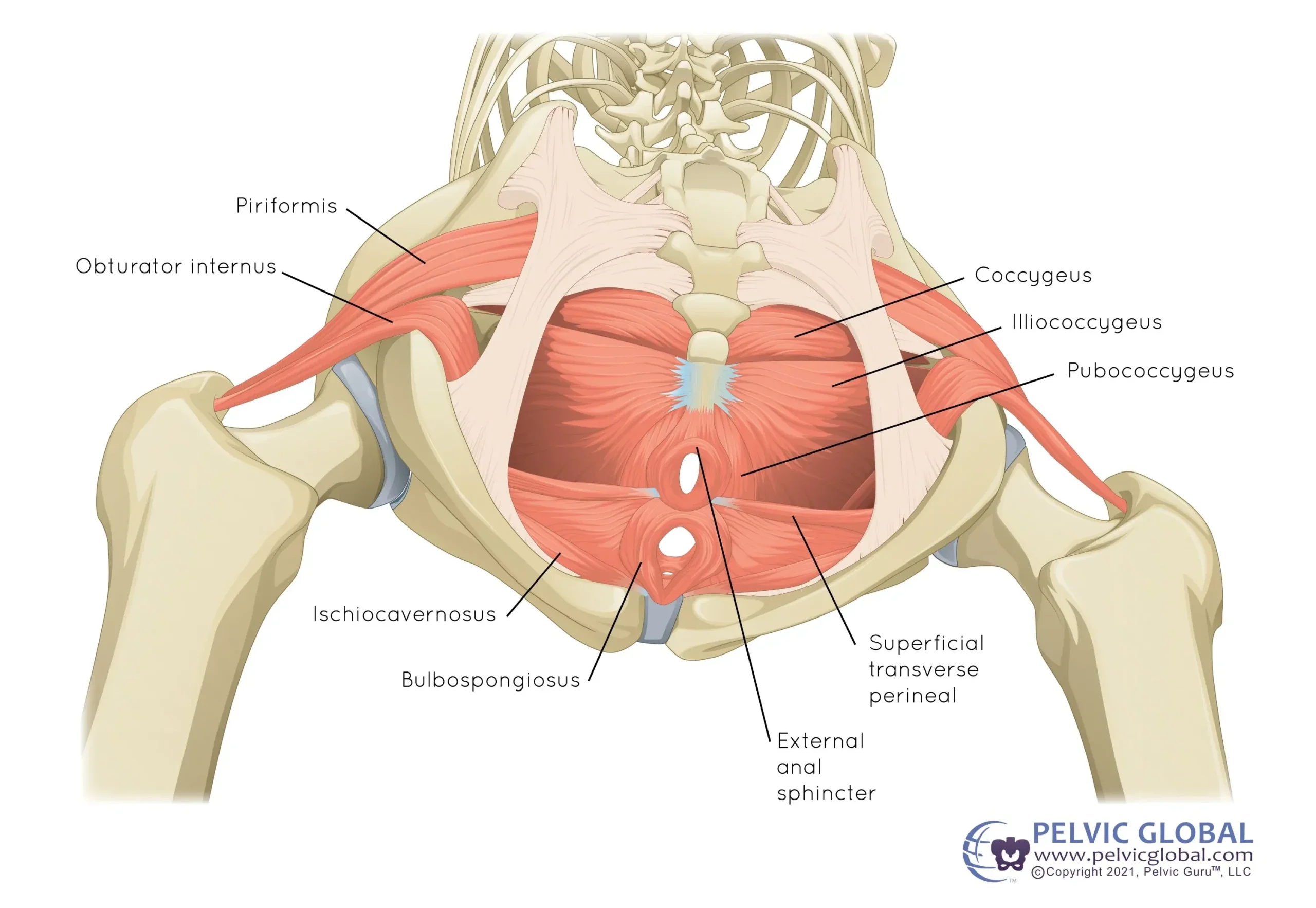
Simply put, the pelvic floor is a group of twenty-six muscles found in the pelvis. However, this group of muscles is rather complex, and plays a variety of very important roles in your body’s functions. You can better understand all of these different roles if you look at them by category:
Sump-Pump – Lastly, the pelvic floor helps circulate blood and lymph fluid back to the heart. Problems with this circulation can lead to swelling and pelvic congestion, so it is just as important as all the other functions!
Stability – The pelvic floor supports your body’s posture and balance! It stabilizes your pelvis and core muscles to allow for a variety of movements and positions.
Support – In addition to supporting your body’s overall balance, posture, and movement, the pelvic floor also directly supports the organs in the pelvis and abdomen. It keeps all those important organs in place, working against both gravity and changes in pressure.
Sphincter – One of the obvious functions of the pelvic floor that you may have heard of before is controlling continence. The pelvic floor allows you to use the restroom, including both urination and the emptying of your bowels.
Sexual Function – No matter the genitals you have, the pelvic floor supports both sexual function and appreciation. Your pelvic floor needs to be in good condition to allow for orgasm, erection, and painless penetration!
What Is Pelvic Floor Dysfunction (PFD)?
So, you now know all the different roles that the pelvic floor plays in your daily life and bodily functions. Unfortunately, many of these functions can be interrupted, which is commonly referred to as “pelvic floor dysfunction.”
“Pelvic floor dysfunction” can mean many different things—it is an umbrella term that refers to a variety of problems involving your pelvic floor muscles, tendons, ligaments, and connective tissues. Your pelvic floor can be weak, tight, inflexible, short, uncoordinated, or a combination of these problems.
These dysfunctions can all lead to different symptoms and conditions, many of which can affect other nearby areas of the body, such as the lower back, hips, or abdomen.
Let’s look at some simplified examples. You learned earlier that the pelvic floor controls urinary and bowel continence. However, if your pelvic floor becomes very weak, you could have a harder time holding urine, leading to conditions like urinary incontinence.
On the other hand, having a lot of tension in your pelvic floor can make it difficult to relieve your bowels. This tightness can cause pain and constipation.
Although pelvic floor tension and pelvic floor weakness are both very common examples of pelvic floor dysfunction, it can often be more complicated than that.
Your pelvic floor muscles have to coordinate with other parts of the body in order to provide many of its daily functions. But if these muscles cannot coordinate with your bladder, bowels, diaphragm, or parts of the body, it can struggle to perform as needed.
This is why seeing a pelvic floor therapist is often very necessary for effectively treating pelvic floor dysfunction. While many different sources out there will tell you that kegels will solve all your problems, that isn’t necessarily true. Kegels can be great for some, but getting to the root of your pelvic floor dysfunction is the best way to truly solve your symptoms.
What Does Pelvic Floor Dysfunction Look Like?
Pelvic floor dysfunction is a very common experience that can affect anyone of any age. It is a type of dysfunction that can contribute to a very wide range of conditions. PFD can be either a cause or an exacerbator of many different conditions, including pre-existing ones. Some examples can include:
- Urinary or fecal incontinence
- Constipation
- IBD or IBS
- Vaginismus
- Erectile dysfunction
- Pain with sex
- Diastasis recti
- Pelvic girdle pain
- Chronic prostatitis
- Period pain
- Endometriosis
- And much more
Due to the fact that pelvic floor dysfunction can be present alongside so many different conditions, symptoms associated with the condition can vary greatly. Some examples of symptoms caused by pelvic floor dysfunction include:
- Incontinence (leaking urine)
- Urinary urgency
- Frequent urination
- Constipation
- Painful urination
- Painful bowel movements
- Incomplete bowel movements
- Hip or back pain
- Pelvic pain
- Painful sex
- Difficulty with erection
- Difficulty with orgasm
- And more
Symptoms caused by pelvic floor dysfunction can occur in other nearby parts of the body such as the hips or lower back, and at first glance may not seem like a pelvic floor problem.
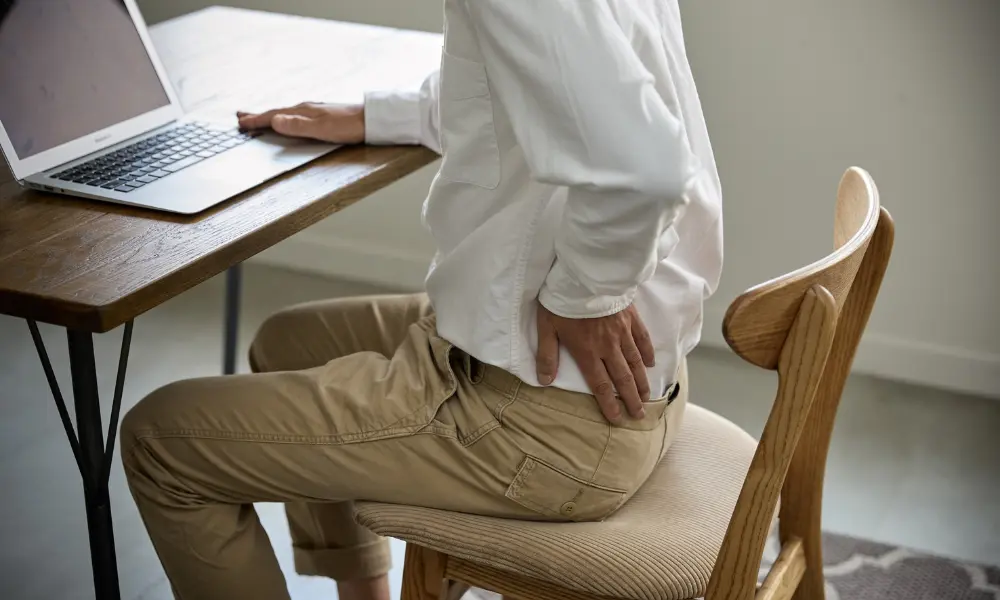
Additionally, symptoms of pelvic floor dysfunction are very similar to a variety of other conditions, and so identifying the root issue can be a challenge without the help of a pelvic floor physical therapist. Unfortunately, because of this, individuals may go through treatment for their symptoms without even considering their pelvic floor at all!
Therefore, if you are someone receiving treatment for any of the symptoms listed earlier or similar symptoms, yet aren’t seeing results, you should consider consulting a pelvic floor physical therapist.
I offer both virtual and in-person sessions, which you can explore on my services page! Or, if you need other resources, feel free to check out this Ebook about finding a pelvic floor physical therapist that’s a good fit for you. I curated this Ebook to provide as much guidance as possible, so that your journey to better health can be a bit easier!
What Causes Pelvic Floor Dysfunction?
There are many different causes of pelvic floor dysfunction. For many people, dysfunction may be caused by a combination of causes. Let’s look at some examples:
Pre-Existing Conditions
There are many conditions that affect the pelvic floor. Conditions that affect the pelvic organs are often chronic (long-lasting) and can also cause long-lasting pelvic floor dysfunction when left untreated. Some examples of pre-existing conditions that can cause pelvic floor dysfunction include:
- Endometriosis
- Polycystic ovary syndrome
- IBS or IBD
- Pelvic inflammatory disease (PID)
- And more
Individuals who are diagnosed with these conditions or similar conditions should consider seeking pelvic floor care. Not only can these conditions cause pelvic floor dysfunction, but this dysfunction can worsen the symptoms associated with each condition.
Unfortunately, this can create a cycle of pain and other symptoms. While pelvic floor physical therapy cannot heal these chronic conditions, it can address pelvic floor dysfunction, reduce symptoms, and improve your quality of life overall!
Pregnancy / Childbirth
Individuals who have experienced pregnancy or childbirth are very likely to experience pelvic floor dysfunction during postpartum. This is because the pelvic floor plays a massive role in supporting the changes your body goes through during pregnancy. It experiences a lot of trauma during childbirth, and can even be affected by a cesarean section, too.
Therefore, many people experience perineal pain, incontinence, constipation, painful sex, hemorrhoids, and other symptoms during the postpartum period—and oftentimes for months or years following postpartum. Individuals who plan to become pregnant or who have been pregnant before will definitely want to give their pelvic floor some extra care!

Daily Behaviors
There are many behaviors you may be unknowingly engaging in that negatively affect your pelvic floor. When you hold your urine for extended amounts of time, push too hard during bowel movements, or sit on the toilet for a long time, your pelvic floor is working overtime. Other behaviors can include:
- Incorrectly engaging muscles when lifting
- Chronic constipation
- Poor posture while sitting or standing
- Prolonged sitting or standing
Pelvic floor dysfunction doesn’t necessarily appear overnight. These habits, especially when done every day, can cause pelvic floor dysfunction to slowly build up in the long run. A pelvic floor physical therapist can help suggest changes to these behaviors to prevent harm to your pelvic floor’s health.
Injury or Surgery
Experiencing injury or surgery to the pelvis, hips, or other related areas can affect the pelvic floor. This is because injury or surgery can create scar tissue and affect your overall tissue mobility, which can contribute to pelvic floor tension. Proper rehabilitation and physical therapy is essential to ensure healthy and mobile tissues!
Age
With age, individuals may experience a change in hormones and bone density. This can weaken the pelvic floor and surrounding structures, resulting in unwanted pelvic floor dysfunction symptoms. These effects are especially worsened by sedentary behaviors. With good diet and exercise habits, your pelvic floor can stay strong and healthy at any age!
How Pelvic Floor Physical Therapy Can Help
There’s a lot of online advice out there for keeping your pelvic floor healthy, which may make you wonder if you need pelvic floor therapy or not. However, if you are struggling with symptoms, I highly recommend you seek out a pelvic floor physical therapist!
Pelvic floor physical therapists like myself are highly trained and educated to properly identify the root cause of your unique symptoms, and decide on a treatment plan based on your needs.
I accept patients of all ages, gender identities, and comfort levels. I know pelvic floor therapy can seem a bit confusing if you’ve never even heard of pelvic floor dysfunction before reading this blog, but rest assured you’re not alone. This condition is very common, and pelvic floor treatment is very effective!
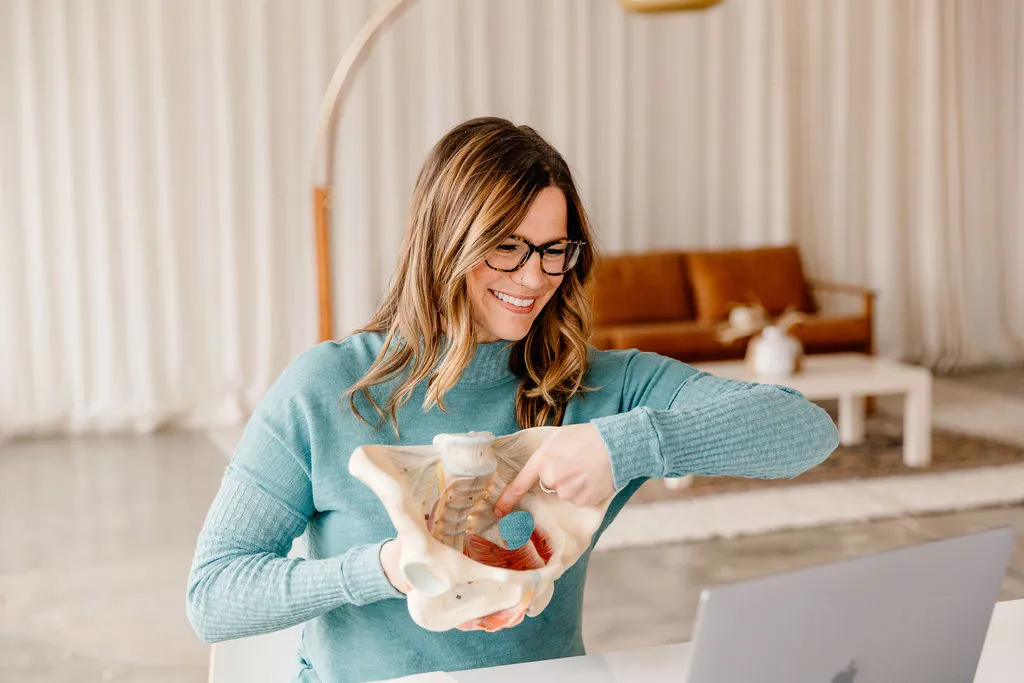
Let’s talk more about what treatment can look like…
Your pelvic floor physical therapy treatment plan can vary based on your needs. Treatment is not one-size-fits-all, so we’ll need to have a thorough evaluation to determine what treatments are best for you! This can be a discussion of your symptoms, a look at your medical history, and an examination if necessary (only with your consent, of course).
As for treatments, your care plan may include things like:
- Education about your pelvic floor, habits that may be affecting its health, and how to maintain good pelvic floor health after treatment.
- Manual treatments to relax or strengthen your pelvic floor as needed.
- Treatments like neuromuscular education and biofeedback, which will help you have a thorough understanding of how to engage and relax your pelvic floor muscles.
You can expect treatment to extend to your home life, too. Not just through fixing potentially harmful habits, but also through at-home exercises! It is important to be consistent with at-home practice in order to achieve long-term pelvic floor health and to prevent relapse of your symptoms. I’ll create an at-home exercise plan that best fits your needs, so be sure to do your “homework!”
Pelvic floor dysfunction is very common, but that doesn’t mean it’s something you should just live with. Pelvic floor physical therapy is a safe and effective form of treatment that can provide relief from a wide variety of symptoms.
While seeing a pelvic floor physical therapist may be a little intimidating, rest assured that I am only here to help you—I want you to feel comfortable and confident during treatment, and I want to see you gain control over your symptoms!
Again, I accept patients of all ages and gender identities, so don’t hesitate to reach out. Get started today by booking an appointment! If you still have other questions, explore the discovery call.