


What Is Nerve Entrapment?
Nerve entrapment refers to when a nerve becomes compressed or restricted, sometimes called a “pinched nerve.”
This compression or restriction is usually caused by surrounding tissues such as your bones, muscles, ligaments, or tendons. It is common in joints, as this is where nerves usually pass through a lot of different structures.
Nerve entrapment can result in a variety of symptoms, such as:
- Numbness or tingling
- Sharp or aching pain (neuralgia)
- Weakness
- Difficulty using the affected area
The symptoms of nerve entrapment can vary in severity, and the condition can be either acute or chronic. Acute conditions refer to those that are short-term, whereas “chronic” refers to long-lasting conditions. Whether nerve entrapment is acute or chronic typically depends on the cause (which we’ll discuss in a later section).
Nerve entrapment can happen in many parts of the body. You may have even had it happen to you before. Common examples include carpal tunnel syndrome, which causes pain or numbness in the wrist, and ulnar nerve entrapment, which causes numbness or pain in the hand or elbow.
While the most common areas to experience nerve entrapment are the wrists, elbows, and knees, other places can experience this condition too, including the pelvis.
Nerve Entrapment in the Pelvis
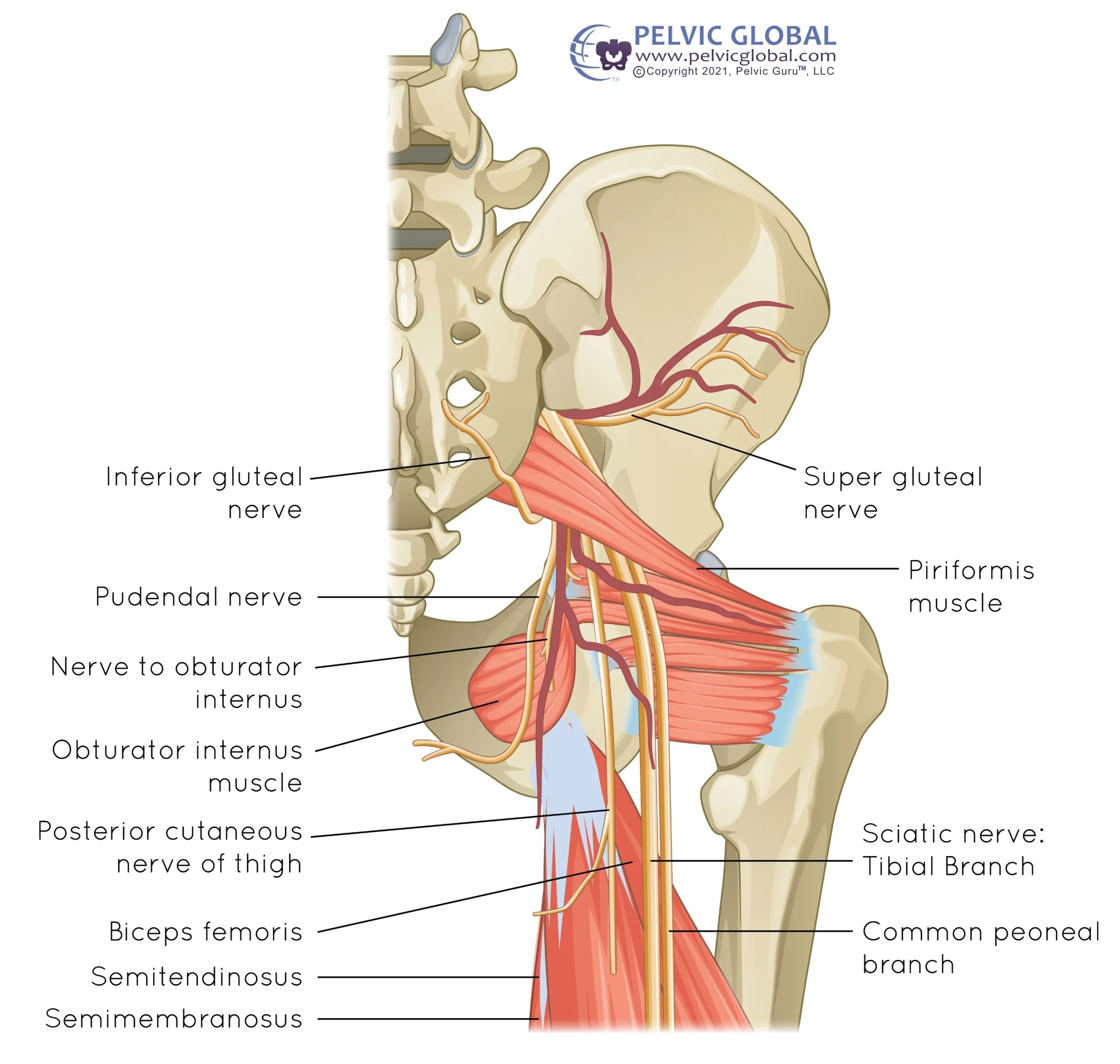
Just like the rest of your body, the pelvis contains nerves. One important nerve to note is the pudendal nerve, which helps provide sensation and function to your genitals, sphincter muscles (which allow you to use the restroom), perineum, and anal canal.
This nerve is very important, as it allows for many functions and sensations. Problems with this nerve—referred to as pudendal neuralgia—can affect your ability to use the restroom or engage in sexual activity. This can create symptoms such as constipation, painful sex, erectile dysfunction, painful urination, and much more.
While it is a very important nerve in the pelvis, the pudendal nerve isn’t the only nerve found in that region. The pelvis also contains other nerves such as the following:
- Ilioinguinal nerve
- Obturator nerve
- Genitofemoral nerve
Problems with these nerves are less common than pudendal neuralgia, but symptoms can include pain with sitting, pain in the groin, or pain in the genitals.
Due to the overlapping symptoms and close proximity of the nerve pain, problems with these nerves can be mistaken for pudendal neuralgia.
What Causes Nerve Entrapment in the Pelvis?
Nerve entrapment in the pelvis can be acute—such as when it appears soon after an injury or direct impact to the pelvis—but typically presents as a chronic condition.
Chronic nerve entrapment can be caused by many things. One common cause is related to repetitive motions, such as with certain careers or sports.
In other cases, chronic poor posture or muscle imbalances can cause nerve restriction or compression. In terms of nerve entrapment in the pelvis, pelvic floor dysfunction is a major culprit.
Pelvic floor dysfunction is an umbrella term that refers to tightness, weakness, inflexibility, or incoordination of the pelvic floor muscles.
The pelvic floor is a very important group of muscles found within your pelvis. They attach to many different structures and directly support a variety of organs! The pelvic floor also helps provide urinary, bowel, and sexual function with the help of the pudendal nerve, which runs directly through the pelvic floor.
The pelvic floor is very interconnected with other areas, too; it connects to your lower back, hips, and abdominal muscles. The pelvic floor works together with these areas to support your upper body, maintain balance, and allow stability. Muscle balance in all of these areas is essential to support smooth movements, flexibility, and good posture.
As mentioned before, pelvic floor dysfunction often involves tight, overactive pelvic floor muscles. This pelvic floor tension reduces tissue mobility, which can cause nerves to become irritated or compressed.
Not only does the tension itself compress nerves, but pelvic floor dysfunction can also affect posture and muscle balance in the areas around the pelvis. This only increases the risk of nerve compression.
Therefore, to alleviate pelvic nerve entrapment, you must also alleviate pelvic floor dysfunction. Pelvic floor dysfunction can be caused by a variety of things that vary from person to person. Some examples can include:
- Poor form while playing sports
- Prolonged sitting or standing
- Past surgeries or injuries
- Childbirth
- Chronic constipation
- Chronic poor posture
- And much more
There are many other specific activities that make nerve entrapment in the pelvis more likely, such as biking, horseback riding, or engaging in a lot of lifting or squatting exercises.

The bottom line is that there are many causes of pelvic floor dysfunction that may contribute to nerve entrapment. Luckily, no matter your root cause, pelvic floor physical therapy can provide relief!
How Pelvic Floor Physical Therapy Can Help
Pelvic floor physical therapy is an effective form of treatment for pelvic nerve entrapment. By reducing tension and improving muscle mobility, nerves in the pelvis will be less restricted and much less at risk of entrapment or irritation.
Pelvic floor therapy not only relieves nerve pain, but also restores urinary, bowel, and sexual function by addressing pelvic floor dysfunction.
Every person’s pelvic floor health and pelvic floor dysfunction symptoms will vary. While pelvic floor tension is often a major contributor to nerve entrapment, this tension can be worsened by weakness or incoordination of the pelvic floor. Therefore, I create an individualized treatment for each and every patient based on their unique pelvic floor condition and needs.
Your first session with me will involve a thorough evaluation, a process that will cover your symptoms and medical history. Your evaluation may include an examination, which will only be performed with your consent.
In fact, all treatments will be explained thoroughly beforehand and only performed with your consent. While receiving pelvic floor physical therapy can be intimidating, rest assured that my priority is your comfort level!
After finishing your evaluation and any examinations, I will curate a unique treatment plan just for you. This treatment plan will vary from person to person, as everyone’s unique needs may differ. However, some treatments that could be included in your care plan include the following:
Manual Therapy
Manual therapy refers to physical techniques that manipulate tissues. These techniques help reduce tension and improve mobility of your muscles, nerves, ligaments, and tendons.
Manual therapies also help relieve pain, improve blood blow, and increase your overall range of motion. This kind of treatment is very useful for nerve entrapment, especially those caused by pelvic floor tension!
Strengthening
Pelvic floor tension can be caused by a variety of factors. If your pelvic floor is too weak to perform certain functions, you may find yourself straining during restroom trips or while lifting objects. To help prevent straining and to encourage good function of the pelvic floor, your treatment plan may include a variety of strengthening activities and exercises.
These are not limited to the pelvic floor. As mentioned earlier, your pelvic floor is interconnected with many parts of the body—your hips, lower back, and abdominals.
If any of these areas become imbalanced, it can significantly contribute to tension and tissue restriction in the pelvic floor. Imbalances can also affect posture, and poor posture is yet another cause of nerve entrapment!
Addressing all possible areas of muscle imbalance will help provide a more holistic care experience and better long-term outcomes.
Restoring Coordination
Coordination is an important part of pelvic floor health, too! This is because the pelvic floor works through contractions and relaxations. These movements can be done on command (such as to hold in urine) or involuntarily (the pelvic floor does the work for you).
However, these movements can become incoordinated, causing you to strain during restroom trips or certain movements. This lack of coordination can severely affect bowel, urinary, and sexual function, so it is very necessary to work on restoring this important connection!
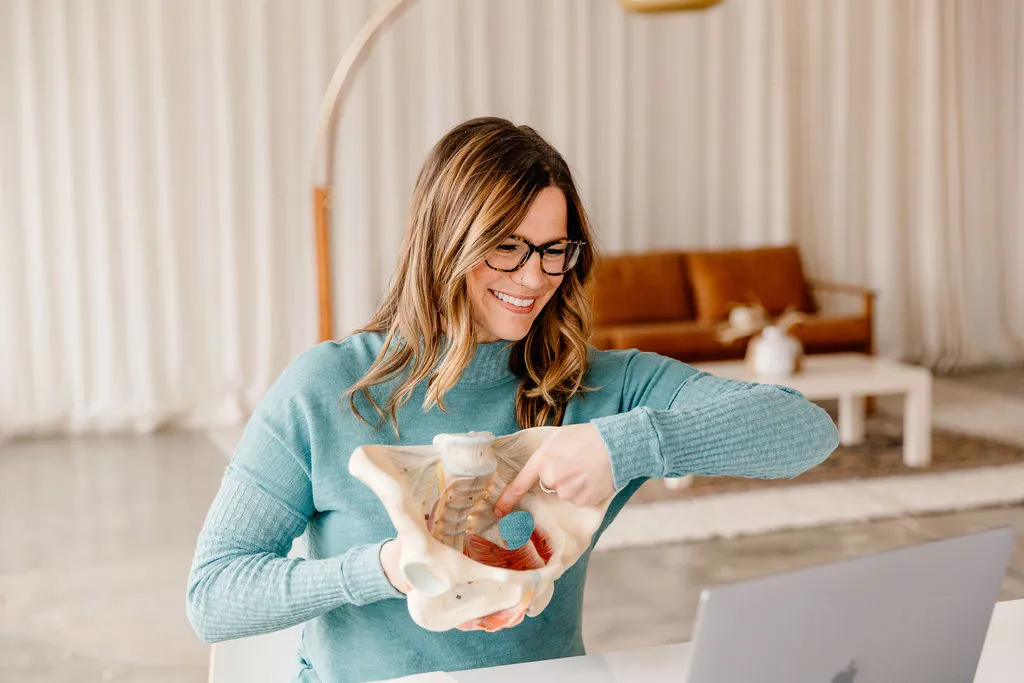
Some treatments often used to restore a patient’s coordination and understanding of their pelvic floor include neuromuscular re-education and biofeedback. These treatments allow you to practice contracting and relaxing your pelvic floor while seeing live feedback either visually or verbally.
I want to help you not only regain control over your pelvic floor, but also understand how it works and why it may be creating symptoms for your unique case. Therefore, I always try to incorporate education into treatment—and you are welcome to ask questions as needed!
Behavioral Modifications
Another essential type of treatment for pelvic nerve entrapment and pelvic floor dysfunction is behavioral modification. This involves identifying daily behaviors or movements that affect your pelvic floor health.
This can look like poor restroom habits, poor posture, prolonged sitting or standing, poor form during sports or other activities, and more. I can suggest modifications to these activities, which will help lessen pelvic floor tension and lower your risk of nerve entrapment.
Making these changes will be important for supporting better pelvic floor health in the long run, and preventing future nerve irritation.
As you can see, there are many different treatments that can be used as a part of your pelvic floor physical therapy treatment. The examples above should give you a better idea of how physical therapy can relieve your pain and other symptoms associated with nerve entrapment. However, they are not necessarily the only treatments that will be used!
If you’d like to get started and see what your individual treatment plan may be like, make an appointment. For those who have a few more questions, check out the discovery call!